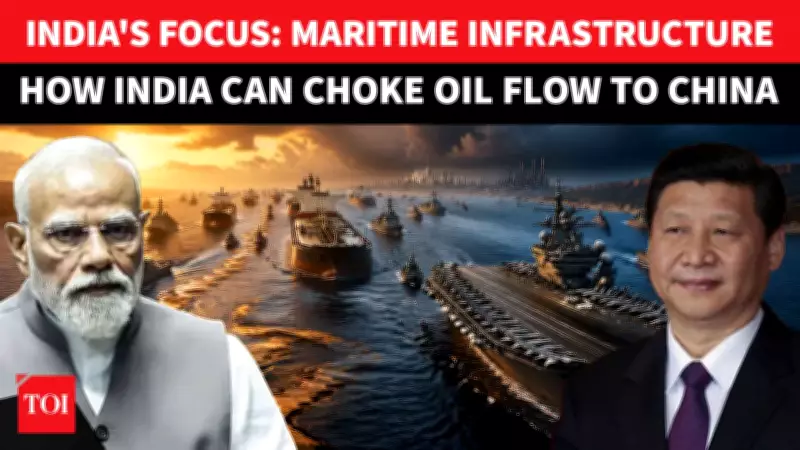
The closure of the Strait of Hormuz has disrupted 20% of global hydrocarbon trade, underscoring the vulnerability of maritime chokepoints. These narrow passages can control global commerce, as seen in tensions affecting Iran and global energy markets. China faces a similar risk with its heavy reliance on the Strait of Malacca, through which most of its energy imports pass, despite costly alternative routes.
India's Strategic Response
In response to these strategic realities, India is strengthening its maritime capabilities through large-scale infrastructure investments under the Sagarmala initiative. A key project is the development of Great Nicobar Island into a transshipment and military hub, enhancing India's ability to monitor critical sea lanes and assert influence across the Indo-Pacific region.
Implications for Regional Power Dynamics
This development positions India to potentially 'trump' China on the seas by leveraging its geographic advantage and infrastructure investments. The Great Nicobar hub will allow India to project power and secure vital trade routes, reducing dependence on foreign-controlled chokepoints.