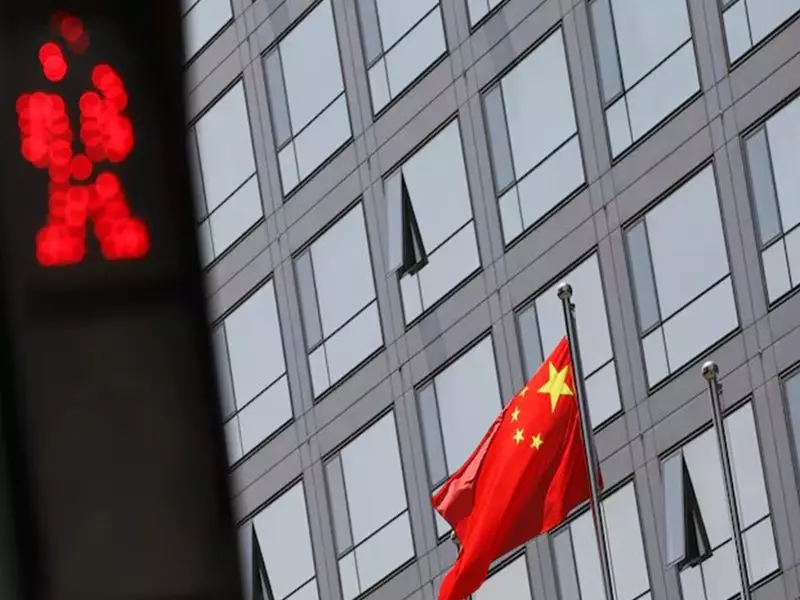
Recent aggressive maneuvers by China in the East China Sea have raised significant security concerns for Japanese citizens living and working abroad, according to security analysts and government officials. The escalating tensions between the two Asian powers have prompted renewed attention to the safety of Japanese nationals worldwide.
Rising Tensions in Contested Waters
China has substantially increased its military presence and assertive actions around the disputed Senkaku Islands, known as Diaoyu in China. Japanese authorities reported multiple incidents of Chinese coast guard vessels intruding into Japanese territorial waters throughout early 2024. These confrontations have created the most tense atmosphere between the two nations in recent years.
The situation deteriorated further when China implemented new coast guard regulations that authorize the use of weapons against foreign ships deemed to be illegally entering Chinese waters. This policy shift has particularly alarmed Japanese security experts who fear it could lead to accidental escalation or armed conflict in the region.
Security Implications for Japanese Nationals
Japanese citizens living overseas, including substantial communities in Southeast Asia, Europe, and North America, now face increased security risks due to these geopolitical tensions. Security agencies have issued updated guidelines for Japanese nationals traveling abroad, emphasizing heightened vigilance in certain regions.
The Japanese government has quietly strengthened security around its diplomatic missions worldwide and increased monitoring of potential threats to Japanese businesses and cultural centers. While no specific threats have been publicly identified, the changing security environment has prompted precautionary measures.
Business communities with significant Japanese presence are particularly concerned about the economic fallout. Many Japanese corporations with international operations have begun reviewing their security protocols and emergency response plans for employees stationed overseas.
International Response and Diplomatic Efforts
The international community has expressed growing concern about the destabilizing effects of China's actions. Several nations have called for peaceful resolution of maritime disputes through diplomatic channels rather than military posturing.
Japan has strengthened security cooperation with like-minded partners, including the United States, Australia, and India, through joint military exercises and intelligence sharing. These partnerships aim to maintain balance and stability in the Indo-Pacific region amid China's expanding influence.
Diplomatic efforts continue behind the scenes, with Japanese officials engaging in dialogue with their Chinese counterparts to establish communication protocols that could prevent accidental clashes. However, experts note that the fundamental territorial disputes remain unresolved, creating persistent uncertainty in the region.
The situation remains fluid, with security analysts monitoring developments closely. The protection of Japanese citizens abroad has become a priority concern for Tokyo as geopolitical tensions show no signs of immediate resolution. The international community watches anxiously, hoping for de-escalation while preparing for various contingencies.