China's Nuclear Tests After Galwan Clash Revealed by US Official
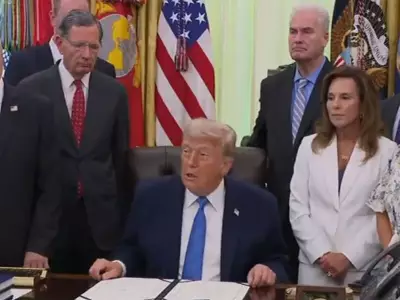
A senior United States official has disclosed that China conducted nuclear tests in the immediate aftermath of the deadly 2020 Galwan Valley clash with India. This revelation, made in early 2026, has sent shockwaves through international diplomatic and security circles, highlighting Beijing's aggressive posturing during a period of heightened regional tensions.
Timing and Context of the Tests
The nuclear tests were carried out by China just days following the violent border skirmish in the Galwan Valley, which resulted in significant casualties on both sides. This timing suggests a deliberate escalation by Beijing, potentially aimed at demonstrating its military capabilities and resolve amid the ongoing territorial dispute with India. The tests have raised serious questions about China's adherence to global non-proliferation norms and its strategic intentions in the Asia-Pacific region.
Global Security Implications
This disclosure by the top US official underscores growing concerns over China's nuclear ambitions and its willingness to leverage such capabilities during crises. The international community, including key stakeholders like the United Nations and neighboring countries, is now closely monitoring the situation. Analysts warn that these tests could destabilize regional security, prompting calls for enhanced diplomatic efforts and transparency from China regarding its nuclear activities.

- The nuclear tests occurred shortly after the 2020 Galwan Valley incident.
- China's actions have sparked alarm among global security experts.
- The US official's statement emphasizes the need for increased vigilance.
Reactions and Future Outlook
In response to this news, governments worldwide are reassessing their security policies toward China. The revelation adds a new layer of complexity to Sino-Indian relations and broader geopolitical dynamics. Moving forward, it is crucial for international bodies to address these developments through dialogue and cooperation to prevent further escalation and ensure regional stability.