Bangladesh Braces for Elections and Reform Referendum as Voter Mood Remains Uncertain
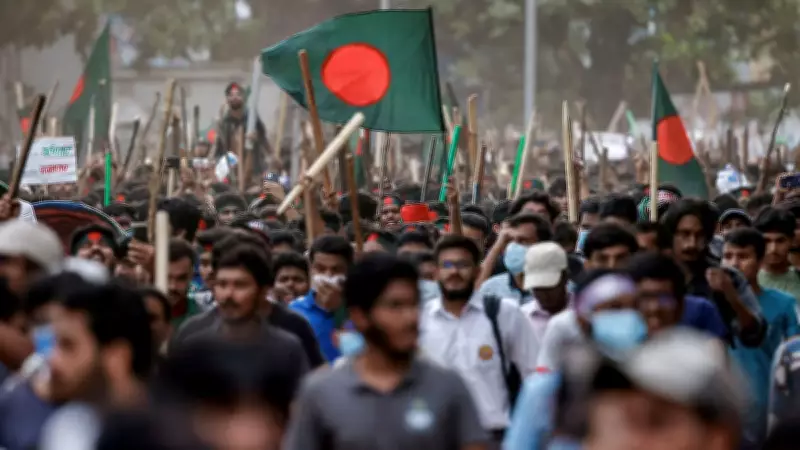
Bangladesh is on the cusp of significant political developments as the nation prepares for upcoming elections and a reform referendum. The atmosphere is charged with anticipation, yet voter sentiment appears to be shrouded in uncertainty, reflecting broader concerns within the populace.
Political Landscape Under Scrutiny
The electoral process in Bangladesh is unfolding against a backdrop of complex socio-economic challenges. Citizens are grappling with issues such as inflation, employment, and governance, which are influencing their perspectives on the political future. The reform referendum, aimed at addressing systemic changes, adds another layer to the democratic exercise, prompting debates on the direction of the country.
Observers note that the voter mood is markedly unpredictable, with many individuals still undecided about their choices. This uncertainty stems from a mix of factors, including dissatisfaction with current policies and hopes for transformative leadership. The political parties involved are intensifying their campaigns to sway public opinion, but the outcome remains highly contested.

Implications for Regional Stability
As a key player in South Asia, Bangladesh's political stability holds implications beyond its borders. The elections and referendum could shape regional dynamics, affecting trade, diplomacy, and security. The international community is closely monitoring the situation, emphasizing the importance of a peaceful and transparent process.
In summary, Bangladesh stands at a critical juncture, with the upcoming polls and reform referendum poised to define its trajectory. The uncertain voter mood underscores the need for robust democratic engagement and thoughtful decision-making by all stakeholders involved.