

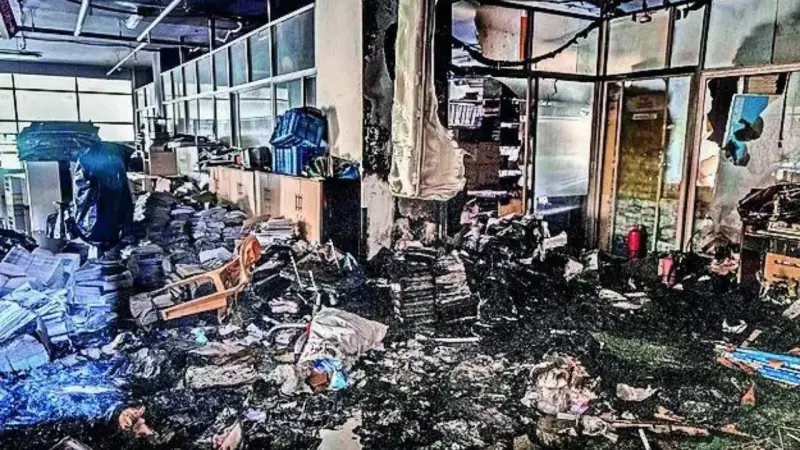
Journalists in Bangladesh are reporting a severe escalation in threats, targeted surveillance, and intimidation as the country approaches its national elections in February 2026. The crisis intensified dramatically after mobs attacked and set fire to the offices of two leading newspapers, Prothom Alo and The Daily Star, on December 19, trapping more than two dozen media personnel inside.
A Night of Terror: Arson Attack on Newsrooms
While no journalists were killed in the December assault, survivors stated the attackers' intent was unmistakable. Staff described a harrowing escape to the rooftops as smoke from the deliberately set fires filled the buildings. With weak phone signals, they waited for hours for rescue. A total of 28 people, mostly journalists and staff, were eventually saved by firefighters and army personnel.
"We weren’t sure we would survive the night," a senior journalist at The Daily Star told TOI from Dhaka. Press freedom groups later asserted the mob appeared intent on burning the journalists alive, with some even blocking emergency responders. The attacks were initially sparked by protests over the death of student leader Sharif Osman Hadi but rapidly transformed into a broad assault on the press. Offices were ransacked, and equipment was looted or destroyed.

The Silent, Insidious Aftermath: Surveillance and Threats
What followed the violent attack has been quieter but equally menacing. Reporters from national and international publications now describe being tracked online, receiving anonymous warnings, and facing in-person surveillance. Many have retreated from social media entirely.
"They watch our posts to see whose side we’re on," explained a journalist from Sylhet. "Especially if you’re a minority or write with any liberal perspective, you’re marked. These next two months will be dangerous." Journalists working from makeshift setups after their newsrooms were torched say they continue to file stories, but fewer are willing to attach their bylines, fearing retribution.
A Climate of Impunity and Failed Promises
Despite condemnation from Chief Advisor Muhammed Yunus and promises of safety for media professionals, no arrests have been made and no formal investigation has identified those responsible. Rights organizations like Human Rights Watch and Access Now have condemned the state's failure to act, warning of a deeper erosion of civic space in Bangladesh.
"It wasn’t just vandalism," a reporter at Prothom Alo said. "It was theatre. And the State was part of the audience." This pattern of escalating pressure on the press is not isolated to Bangladesh. In Nepal, Kantipur Media Group's headquarters was similarly attacked during anti-government protests in September. A senior editor there noted a clear, coordinated trend: undermining reporters, then surveillance, and finally, violence.
As one Daily Star journalist poignantly stated, "We do this job knowing there are costs. But we were never meant to do it without protection — not from the State, not from the law, not even from the public."






