

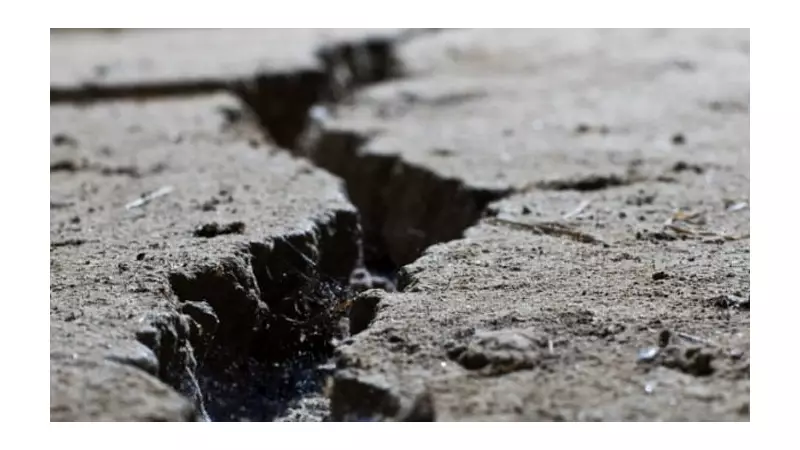
A significant earthquake with a magnitude of 5.1 struck off the eastern coast of Taiwan on Wednesday, sending tremors across the island, including the capital city of Taipei. The seismic event caused noticeable shaking but, according to initial assessments by local authorities, resulted in no immediate reports of damage or casualties.
The Seismic Event: Details and Epicenter
The quake, which occurred at a relatively shallow depth, had its epicentre located in the Pacific Ocean, approximately 26.8 kilometres south-southeast of the coastal city of Hualien. This region is no stranger to seismic activity, sitting on the volatile Pacific Ring of Fire. The United States Geological Survey (USGS) confirmed the quake's magnitude at 5.1, while Taiwan's own Central Weather Administration reported a slightly higher local magnitude of 5.3.
Residents in Taipei, situated on the northern part of the island, reported feeling the distinct swaying of tall buildings. The tremor served as a stark reminder of the ever-present geological forces beneath the region. Despite the intensity of the shaking, which was strong enough to be felt across a wide area, the initial response from disaster management agencies indicated no major impact on infrastructure.

Immediate Aftermath and Public Response
Following the quake, life in the affected areas quickly returned to normal. There were no disruptions to power supplies or transportation networks reported in the immediate aftermath. Taiwan's efficient early warning systems and robust building codes, developed in response to its history of powerful earthquakes, are credited with mitigating potential harm from tremors of this scale.
The island's fire department and other emergency services were placed on alert but did not need to initiate any major rescue operations. Social media was briefly abuzz with residents sharing their experiences of the quake, but the overall mood remained calm, reflecting a population accustomed to such geological events.
Context: Taiwan's Seismic Vulnerability
This recent tremor underscores Taiwan's high susceptibility to earthquakes due to its location. The island nation experiences frequent seismic activity, with memories of devastating quakes like the 7.6 magnitude Jiji earthquake in 1999, which claimed over 2,400 lives, still fresh in public consciousness. Consequently, Taiwan has invested heavily in earthquake preparedness, public education, and stringent construction regulations.
While Wednesday's quake did not cause damage, it acts as a critical drill for both authorities and citizens. It reinforces the importance of readiness for a potentially more powerful seismic event in the future. Experts continue to monitor aftershocks, though none of significant magnitude have been reported following the initial jolt.
In conclusion, the 5.1 magnitude earthquake that rattled Taiwan served as a potent reminder of nature's force but also highlighted the effectiveness of the island's disaster preparedness frameworks. The absence of damage is a positive outcome, but it reinforces the ongoing need for vigilance in one of the world's most seismically active zones.






