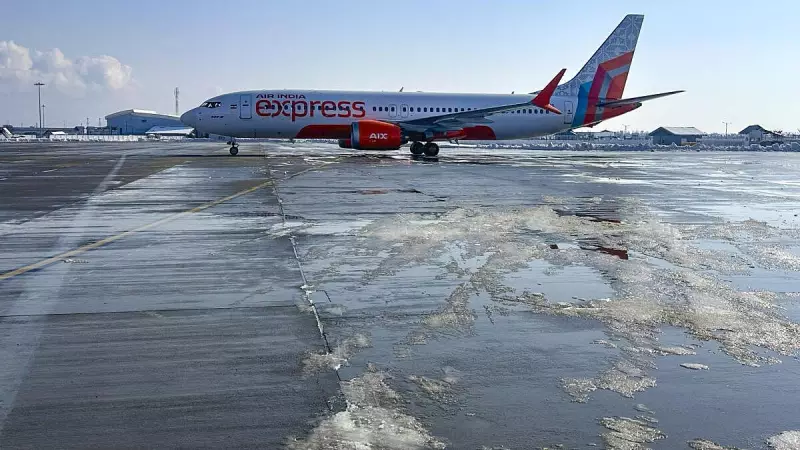
Heavy Snowfall Forces Cancellation of 50 Flights at Srinagar Airport
Severe weather conditions in Srinagar have caused significant disruption to air travel, with officials confirming the cancellation of 50 flights to and from the city. The heavy snowfall, which began recently, has made operations at Srinagar airport challenging, leading to widespread cancellations that have affected both arrivals and departures.
Additional Flights Unlikely to Operate Amid Adverse Conditions
In addition to the confirmed cancellations, four more flights were scheduled to arrive at Srinagar airport. However, airport authorities have indicated that these flights are unlikely to operate due to the ongoing inclement weather. The persistent snowfall and poor visibility have created unsafe conditions for landing and takeoff, prompting this precautionary measure.
The disruption comes as a major inconvenience for travelers, many of whom are now facing delays and rescheduling issues. Local officials are closely monitoring the weather situation and have advised passengers to check with their airlines for updates before heading to the airport.

Impact on Regional Connectivity and Travel Plans
The flight cancellations highlight the vulnerability of air travel in the region to winter weather patterns. Srinagar, a key hub in Kashmir, often experiences such disruptions during the colder months, but the scale of this event—with 50 flights affected—is notable. This has not only impacted domestic travel but also potential international connections through major Indian cities.
- Passengers are urged to stay informed through official channels.
- Airlines are working to accommodate affected travelers on alternative flights.
- Weather forecasts suggest that conditions may improve in the coming days, but uncertainty remains.
As the situation unfolds, authorities are prioritizing safety, ensuring that operations resume only when it is deemed completely safe. This incident underscores the importance of robust contingency planning for weather-related disruptions in sensitive regions like Kashmir.