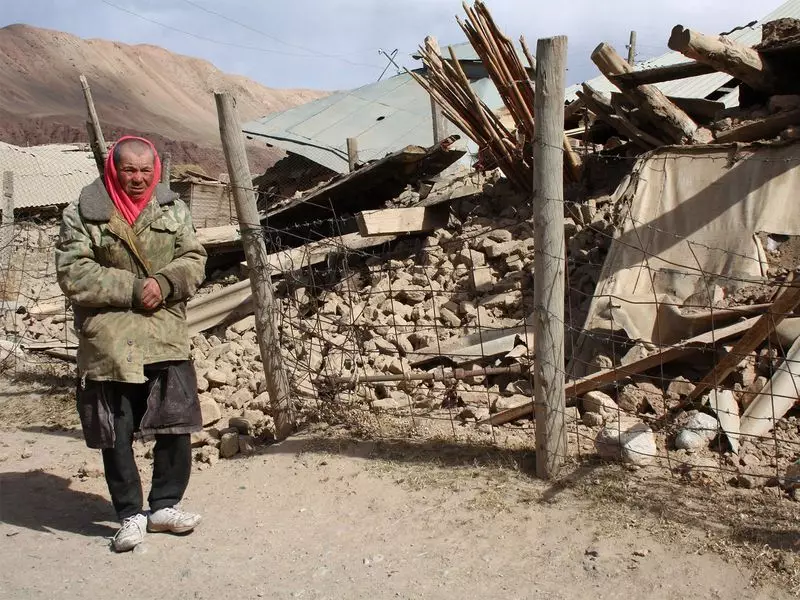
A significant seismic event rattled parts of Central Asia on Saturday morning when a moderate earthquake struck the territory of Kyrgyzstan. The tremor registered on geological monitoring equipment, causing concern among residents and authorities in the region.
Earthquake Details and Epicenter Location
The United States Geological Survey (USGS), America's premier scientific agency for monitoring geological activity worldwide, officially recorded the earthquake. According to their precise measurements, the quake measured 4.2 on the Richter scale, placing it in the category of moderate seismic events that are typically felt by people but rarely cause significant damage.
The seismic occurrence took place at 8:46 am local time on Saturday, June 22, 2024. The epicenter, the point on the Earth's surface directly above where the earthquake originated underground, was precisely located at a depth of 10 kilometers beneath the surface. This relatively shallow depth often means the tremors are more strongly felt at the surface compared to deeper earthquakes of similar magnitude.

Regional Seismic Context and Impact Assessment
Kyrgyzstan, situated in Central Asia, falls within a seismically active region where tectonic plate movements frequently generate earthquakes. The country's location near the convergence of several tectonic plates makes it particularly vulnerable to regular seismic activity, with earthquakes of varying magnitudes occurring throughout the year.
Initial reports from the area indicate that the tremor was felt by residents in the affected region, though there have been no immediate reports of casualties or substantial damage to infrastructure. The moderate strength of the earthquake, combined with building standards designed to withstand seismic activity in the region, likely contributed to the absence of significant destruction.
Local authorities and disaster management teams typically conduct preliminary assessments following such seismic events to verify the structural integrity of buildings and essential infrastructure. The absence of early damage reports suggests the earthquake's impact remained within expected parameters for an event of this magnitude.
Understanding Earthquake Magnitude and Regional Preparedness
Earthquakes measuring between 4.0 and 4.9 on the Richter scale are classified as light to moderate events. While they are distinctly felt by people indoors and may cause vibration similar to the passing of heavy trucks, they rarely cause significant damage to well-constructed buildings. However, minor effects like shaking of windows and rattling of dishes can occur, and sometimes plaster may crack in vulnerable structures.
Countries in seismically active regions like Kyrgyzstan have developed robust building codes and public awareness programs to mitigate earthquake risks. Regular seismic activity has led to the implementation of construction standards that require buildings to withstand moderate tremors, which likely contributed to the minimal impact of this particular event.
The timely reporting by international monitoring agencies like USGS provides crucial data for scientists studying seismic patterns in Central Asia. This information helps improve understanding of regional fault lines and contributes to better earthquake preparedness throughout the vulnerable region.
As of the latest updates, no tsunami warnings were issued following the seismic activity, as earthquakes of this magnitude typically don't generate significant ocean disturbances that would threaten coastal areas.