

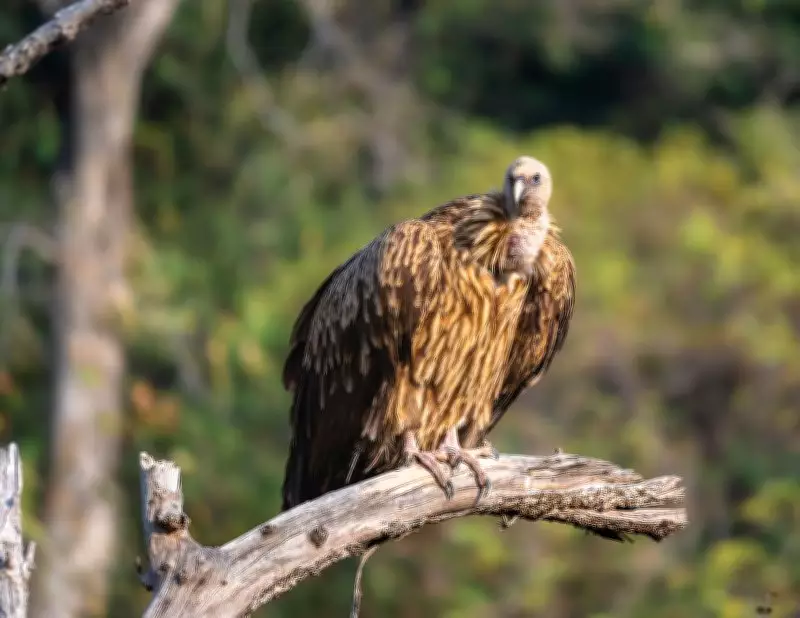
Vulture Release Initiative in Melghat Draws Wild Counterparts Back to the Region
In a remarkable development for wildlife conservation, a recent release of captive-bred vultures in Maharashtra's Melghat Tiger Reserve has successfully attracted wild vultures back to the area. This event marks a significant milestone in efforts to revive the population of these critically endangered birds, which have faced severe declines due to factors like habitat loss and poisoning.
Details of the Conservation Program and Its Impact
The release program, spearheaded by wildlife experts and conservation organizations, involved carefully reintroducing vultures that had been bred in captivity into the natural habitat of Melghat. According to reports, these released birds have not only adapted well but have also begun to draw in their wild counterparts, creating a positive feedback loop for population growth. This interaction suggests that the reserve's ecosystem is becoming more hospitable and supportive for vulture survival.
Experts highlight that this success is crucial for maintaining ecological balance, as vultures play a vital role as nature's scavengers by cleaning up carcasses and preventing the spread of diseases. The return of wild vultures indicates improved environmental conditions and reduced threats in the region, potentially stemming from conservation measures such as banning harmful veterinary drugs like diclofenac, which has been linked to vulture deaths.

Broader Implications for Wildlife Conservation in India
This achievement in Melghat is part of a larger national effort to protect vultures, which are listed as endangered under Indian wildlife laws. Conservationists note that similar programs across the country could benefit from the strategies employed here, including habitat restoration, community engagement, and strict enforcement of anti-poisoning regulations. The involvement of local communities in monitoring and protecting these birds has been instrumental in fostering a supportive environment.
The resurgence of vultures in Melghat not only boosts biodiversity but also serves as a model for other regions grappling with wildlife decline. It underscores the importance of sustained conservation efforts and interdisciplinary approaches involving government agencies, NGOs, and researchers.
Looking ahead, wildlife authorities plan to expand monitoring and release initiatives to ensure the long-term viability of vulture populations in Maharashtra and beyond. This success story offers hope for the recovery of other endangered species and reinforces the value of proactive conservation measures in preserving India's rich natural heritage.






