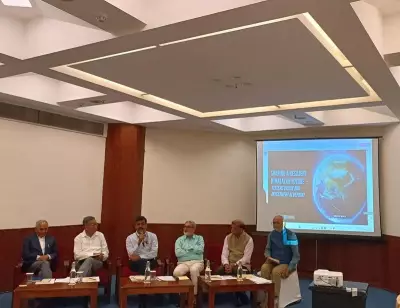
A groundbreaking global study spearheaded by Guru Angad Dev Veterinary and Animal Sciences University (GADVASU), Ludhiana, has shed light on the pivotal role of carcass disposal sites in the transmission of rabies. The research, conducted in collaboration with international partners, underscores the need for improved waste management practices to mitigate the spread of this deadly virus.
Study Highlights
The study, published in a leading scientific journal, analyzed data from multiple countries, including India, to assess how carcass disposal sites contribute to rabies transmission. Researchers found that improperly disposed animal carcasses attract stray dogs and wildlife, creating hotspots for the virus to circulate. In many regions, these sites serve as reservoirs where infected animals can easily transmit rabies to healthy ones.
Key Findings
- Carcass disposal sites are often overlooked in rabies control programs, yet they play a critical role in maintaining the virus in the environment.
- Stray dogs, which are primary carriers of rabies, frequent these sites, increasing the risk of outbreaks.
- Improved disposal methods, such as rendering or burial, can significantly reduce virus transmission.
Implications for Public Health
Rabies remains a major public health concern, causing approximately 59,000 deaths annually worldwide, with India accounting for one-third of these fatalities. The study emphasizes that integrating carcass management into national rabies elimination strategies could accelerate progress toward the goal of zero rabies deaths by 2030.

Recommendations
- Establish secure carcass disposal facilities to prevent access by scavengers and stray animals.
- Enhance surveillance of rabies in wildlife and stray dog populations near disposal sites.
- Promote community awareness about the risks associated with improper carcass disposal.
Dr. Sandeep Kumar, lead author of the study and a professor at GADVASU, stated, 'Our findings reveal a critical gap in rabies control. By targeting carcass disposal sites, we can disrupt the transmission cycle and save lives.' The research team plans to conduct further studies to develop cost-effective interventions for low-resource settings.