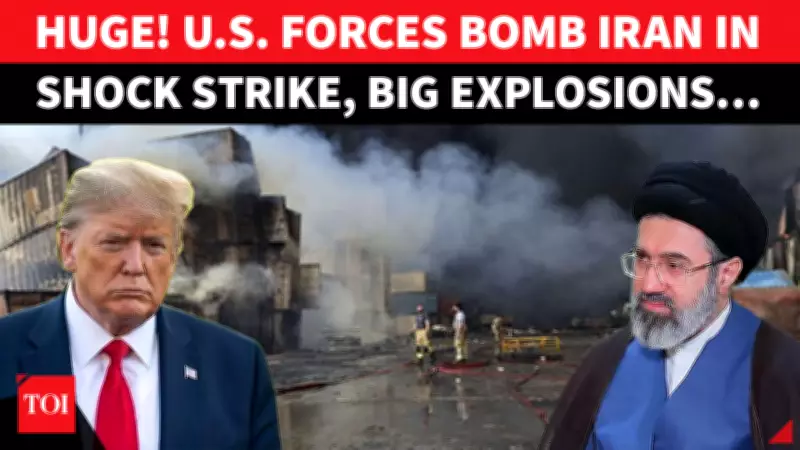
Fresh explosions near Iran's Bandar Abbas and Qeshm Island have intensified fears of a new escalation in the Strait of Hormuz crisis. Iranian media initially reported conflicting claims about the blasts, while Israeli officials denied involvement. An American official later told Fox News that the U.S. military carried out strikes on both locations, though Washington reportedly insisted the operation does not mark a return to full-scale war.
Background of the Conflict
The reported strikes come as tensions between the U.S. and Iran continue to rise over shipping routes, naval operations, and control of the Strait of Hormuz, one of the world's most critical energy chokepoints. The strait sees about 20% of global oil transit daily, making it a strategic priority for both nations.
Conflicting Reports and Denials
Iranian state media initially reported the explosions but later retracted some claims, citing technical errors. Israeli officials quickly denied any involvement, distancing themselves from the incident. Meanwhile, a U.S. official confirmed to Fox News that American forces conducted the strikes, emphasizing that the operation was limited and not an escalation to full-scale war.

Strategic Implications
The strikes target Iran's Bandar Abbas port and Qeshm Island, both critical to Iran's naval and economic activities. Bandar Abbas is a major hub for Iranian trade and military operations, while Qeshm Island hosts key infrastructure. The U.S. aims to disrupt Iranian capabilities without triggering a broader conflict, but the move risks further destabilizing the region.
Global markets reacted with oil prices spiking briefly before stabilizing, as traders assess the risk of supply disruptions. The Strait of Hormuz remains a flashpoint, with both nations maintaining a heavy military presence. Analysts warn that miscalculations could lead to unintended escalation, drawing in regional allies and global powers.