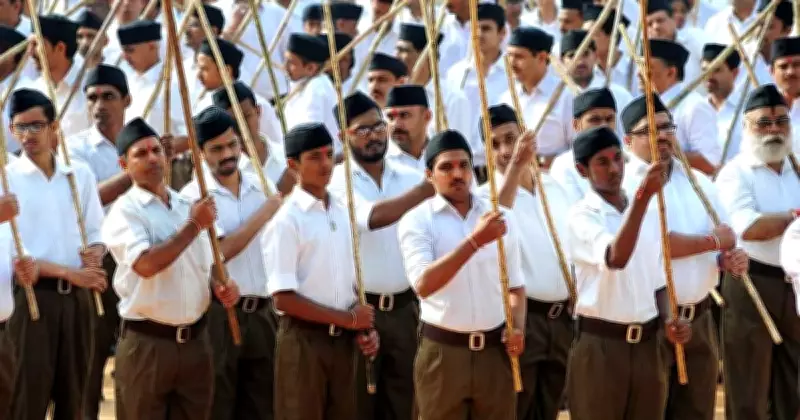
With a significant surge in domestic support for Hindutva, the Rashtriya Swayamsevak Sangh (RSS) is undertaking a strategic rebranding of its operations abroad. For decades, the organization's global outreach primarily focused on mobilizing the Indian diaspora and securing financial backing for various initiatives and agitations, including the landmark Ram Janmabhoomi movement. However, recent shifts indicate a broader transformation in its international approach.
Historical Context of RSS Global Outreach
Historically, the RSS concentrated its overseas efforts on strengthening cultural ties among expatriate Indians and channeling resources toward domestic projects. The Ram Janmabhoomi Andolan, a decades-long campaign to build a temple at the disputed site in Ayodhya, was one of the key beneficiaries of this diaspora engagement. Funds collected abroad played a crucial role in sustaining the movement, which culminated in the Supreme Court verdict of 2019.
Shift in Strategy
Now, with Hindutva gaining unprecedented acceptance within India, the RSS is reimagining its foreign footprint. The organization is moving beyond mere fundraising and cultural events to establish a more nuanced presence. This includes engaging with foreign policymakers, think tanks, and academic institutions to present a softer image of Hindutva as a benign cultural and philosophical tradition rather than a political ideology.

The rebranding effort also involves leveraging digital platforms and social media to reach younger generations of the diaspora, who may not have strong emotional ties to India. Additionally, the RSS is focusing on humanitarian and charitable projects abroad, such as disaster relief and educational initiatives, to build goodwill.
Implications for India's Soft Power
This strategic shift aligns with the Indian government's broader soft power ambitions, which emphasize yoga, Ayurveda, and India's ancient heritage. By rebranding itself, the RSS aims to position Hindutva as a global cultural force, potentially influencing perceptions of India abroad. However, critics argue that this move could blur the lines between cultural promotion and political advocacy, raising concerns among host countries about the RSS's ideological underpinnings.
As the RSS expands its international footprint, its ability to balance traditional diaspora connections with new global engagements will be closely watched. The organization's success in this endeavor could redefine how Hindutva is perceived worldwide, shaping both India's image and the RSS's role in the global Hindu community.