

Congo to Accept US Third-Country Deportees from April Under New Trump Deal
The Democratic Republic of Congo will begin accepting third-country nationals deported from the United States starting in April, as part of a new agreement with the Trump administration, the government in Kinshasa announced on Sunday. In an official statement, the Congolese government confirmed it would receive deportees from next month, although it did not specify the exact number of individuals involved in the arrangement.
The agreement stipulates that the United States will fully fund the deportation process, ensuring no financial burden falls on Congo. According to Reuters, facilities have already been established near the capital, Kinshasa, to accommodate the deportees upon their arrival.
Deal Comes as US Expands Africa Deportation Network
This agreement positions Congo as the latest African nation to be integrated into Washington's expanding network of third-country deportations. This policy involves sending migrants to countries other than their own to expedite removals from the United States. Congo had been engaged in negotiations with the Trump administration regarding such an arrangement, with discussions noted by UN sources and diplomats briefed by US officials. Initially, key details such as the number of migrants, their nationalities, and the implementation timeline remained unresolved.

The United States has already utilized third-country deportation agreements with several African countries, including Ghana, Cameroon, Equatorial Guinea, and Eswatini. These arrangements have become a central component of Donald Trump's stringent immigration strategy, with the administration actively seeking additional international partners to accelerate deportation efforts.
Rights Groups and Legal Experts Raise Concerns
The increasing reliance on third-country deportation deals has sparked criticism from legal experts and human rights organizations. Critics have raised questions about the legal foundation of such transfers and the treatment of deportees sent to nations where they are not citizens. In some instances, migrants have reportedly been deported despite having court-ordered protections in the United States designed to prevent their return to dangerous situations.
According to the New York Times, the Trump administration has discreetly pursued similar agreements with various African states, often offering incentives such as funding, visa relief, tariff reductions, or other diplomatic concessions in exchange for cooperation. Internal communications indicate that US diplomats were pressured by the White House to secure these deals more rapidly, with officials encouraged to inquire whether governments would accept more deportees in return for enhanced support.
Some migrants sent to third countries have ended up in detention facilities or holding centers located in regions with poor human rights records, weak legal systems, and limited oversight mechanisms.
Congo Deal Overlaps with Minerals and Regional Diplomacy
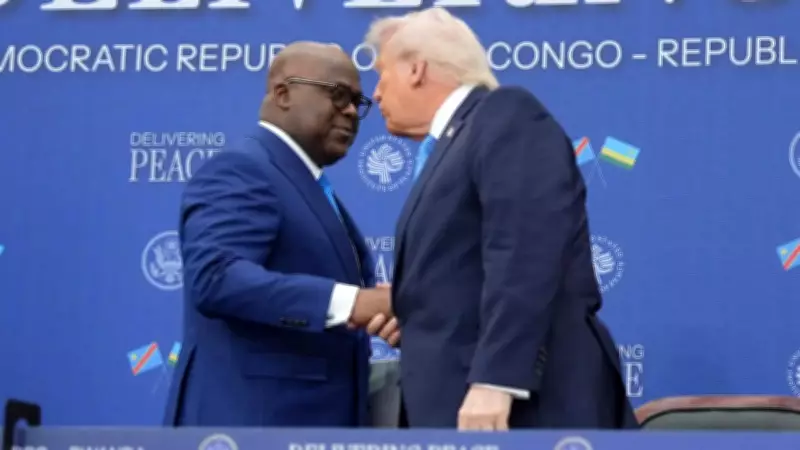
The timing of the Congo agreement is particularly significant, as it coincides with broader Trump administration efforts to promote a peace deal between Congo and Rwanda while securing US access to Congolese critical minerals. This overlap is likely to intensify scrutiny over whether migration cooperation is being linked to wider geopolitical and economic interests in Central Africa.
Although the Congolese government has officially confirmed the deal, it has not publicly disclosed the number of deportees it will accept or the specific nationalities involved. Reuters previously reported, citing a source at the International Organization for Migration, that the plan under discussion could include migrants from South America, such as Venezuelans.






