

NASA Delays Crewed Moon Mission to 2026 Following Hydrogen Leak Issues in Rocket Rehearsal
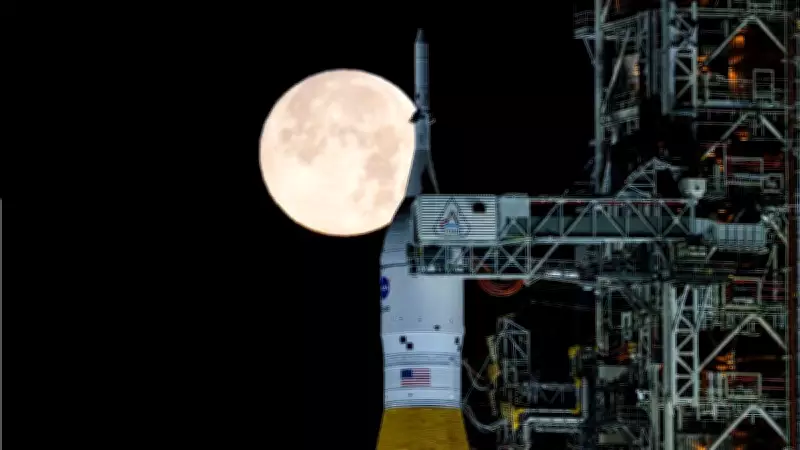
In a significant setback for lunar exploration, NASA has announced a delay in its highly anticipated Artemis II crewed mission to the Moon, now rescheduled for 2026. The postponement comes after a series of hydrogen leaks disrupted a critical stress rehearsal for the Space Launch System (SLS) rocket, highlighting technical challenges in the agency's ambitious plans to return humans to the lunar surface.
Hydrogen Leaks Disrupt Rocket Testing
The decision to push back the mission was prompted by issues encountered during a recent stress rehearsal of the SLS rocket, a key component of the Artemis program. During the testing phase, engineers detected multiple hydrogen leaks in the rocket's systems, which compromised the rehearsal's effectiveness and raised safety concerns. These leaks, though not unprecedented in rocket development, have necessitated additional time for troubleshooting and repairs to ensure the vehicle's reliability for crewed flights.
NASA officials emphasized that safety is paramount, and the delay allows for thorough inspections and modifications to address the hydrogen leakage problems. The stress rehearsal, designed to simulate launch conditions and validate the rocket's performance under extreme stress, was cut short due to these technical glitches, underscoring the complexities involved in preparing for deep-space missions.

Impact on Artemis Program Timeline
This delay has ripple effects on the broader Artemis program, which aims to establish a sustainable human presence on the Moon by the end of the decade. Artemis II, originally slated for an earlier launch, is a crewed mission intended to orbit the Moon and test systems for future lunar landings. With the new target date of 2026, subsequent missions, including Artemis III which plans to land astronauts on the lunar surface, may also face adjustments to their schedules.
The postponement reflects the inherent uncertainties in space exploration, where technical hurdles can impact even well-funded programs. NASA has assured stakeholders that the extra time will be used to enhance the SLS rocket's safety and performance, potentially preventing more significant issues during actual missions. The agency remains committed to its lunar goals, but acknowledges that such delays are part of the rigorous process required for crewed spaceflight.
Broader Implications for Space Exploration
Beyond NASA, this development has implications for international partnerships and commercial entities involved in the Artemis program. Delays in key missions can affect collaboration timelines and resource allocation, though partners have expressed support for prioritizing safety. The incident also serves as a reminder of the technical challenges in developing next-generation rockets, as hydrogen—a common propellant—poses handling difficulties due to its small molecular size and tendency to leak.
Looking ahead, NASA plans to conduct further tests and rehearsals to resolve the hydrogen leak issues before proceeding with the Artemis II launch. The agency's focus remains on ensuring that the SLS rocket is fully vetted and ready to carry astronauts safely to the Moon, marking a cautious yet determined step forward in humanity's return to lunar exploration.






