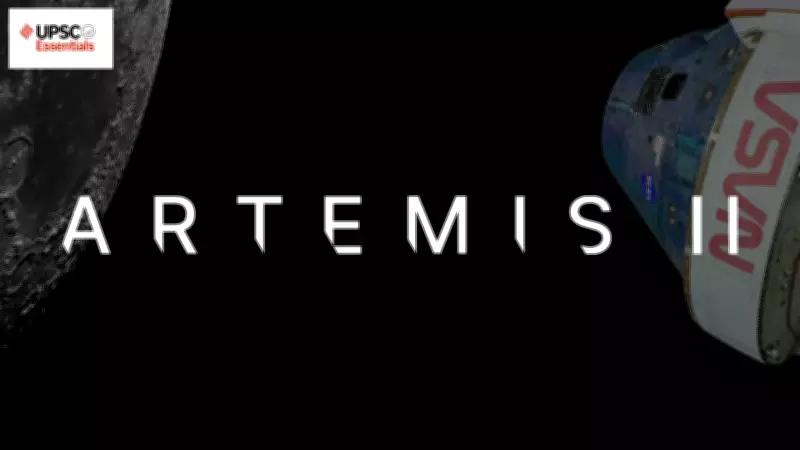
NASA has officially postponed its highly anticipated Artemis II mission to March, marking another delay in the ambitious program to return humans to lunar exploration. The decision comes after the completion of a critical wet dress rehearsal that identified technical issues with the fueling process of the massive Space Launch System (SLS) rocket.
Launch Rehearsal Uncovers Critical Fueling Problems
The U.S. space agency had been targeting a launch window this month, with the earliest opportunity set for February 8. However, a comprehensive 49-hour launch countdown rehearsal conducted at NASA's Kennedy Space Center in Florida revealed challenges that necessitated the schedule adjustment.
"With the conclusion of the wet dress rehearsal today, we are moving off the February launch window and targeting March for the earliest possible launch of Artemis II," stated NASA Administrator Jared Isaacman in an official announcement.

Understanding the Wet Dress Rehearsal Process
A wet dress rehearsal represents the final prelaunch simulation where the rocket is completely loaded with liquid propellant and undergoes a full countdown sequence without actual liftoff. This crucial testing phase is designed to identify and resolve potential issues before the real launch attempt.
"With more than three years between SLS launches, we fully anticipated encountering challenges. That is precisely why we conduct a wet dress rehearsal," explained Isaacman, emphasizing the importance of thorough testing for such complex missions.
Specific Technical Issues Identified
During the recent rehearsal, NASA engineers discovered that liquid hydrogen – one of the rocket's primary propellants – was leaking through tiny fittings in what essentially functions as a large hose system responsible for pumping fuel into the SLS. This technical glitch represents the latest in a series of delays that have affected NASA's Artemis program timeline.
The Historic Artemis II Crew Composition
The planned Artemis II mission features an international crew of four astronauts, including three American space explorers – Reid Wiseman, Victor Glover, and Christina Koch – alongside Canadian astronaut Jeremy Hansen. This diverse team represents a significant step in global space collaboration.
Mission Significance and Historical Context
Artemis II is poised to become the furthest human flight into space ever attempted, marking the first crewed moon mission since the conclusion of the U.S. Apollo program more than half a century ago. The mission will involve flying four astronauts around the moon and back to Earth, serving as a critical test of systems and procedures.
Looking Ahead to Future Artemis Missions
Artemis II functions as a crucial precursor to NASA's planned astronaut moon landing with Artemis III, currently scheduled for 2028. While both missions utilize NASA's Space Launch System rocket with the Orion astronaut capsule positioned on top, Artemis III will incorporate SpaceX's Starship as a lunar lander for the first time in human spaceflight history.
The latest delay underscores the technical complexities involved in returning humans to lunar exploration while maintaining the highest safety standards for crewed missions. NASA continues to work diligently to resolve the identified issues and prepare for what promises to be a historic milestone in space exploration.