Indian Innovators Develop Water-Powered Hydrogen Stove Amid LPG Crisis
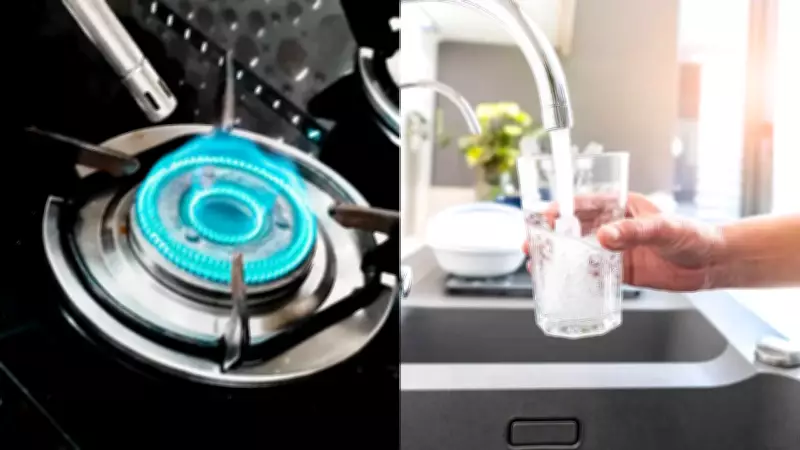
The age-old adage "Necessity is the mother of invention" has found a powerful new expression in India's ongoing LPG gas crisis. In a remarkable breakthrough, experts have engineered a revolutionary gas stove that operates entirely without LPG, instead utilizing water as its primary resource for generating clean cooking fuel.
Plug-and-Play Hydrogen Cooking Solution
Promoted as a plug-and-play hydrogen cooking stove, this innovative Made-in-India appliance is priced at Rs 1,50,000 per unit. It is specifically designed to run on green hydrogen, offering a viable solution for both residential and commercial kitchens. As the LPG crisis intensifies across various Indian states, this stove represents a significant leap forward in the search for sustainable and reliable alternative cooking methods.
How the Hydrogen Stove Functions
This table-top unit, constructed from durable stainless steel and featuring two burners with manual ignition, operates on a fundamentally different principle than traditional stoves. According to a detailed report from PV magazine, the innovation was developed by the firm Greenvize. The stove incorporates a built-in proton exchange membrane (PEM) electrolyzer, which generates hydrogen directly from plain water on demand, eliminating the need for bulky external tanks or complex pipeline systems.

Remarkably, each unit requires only 100 ml of distilled or RO water combined with 1 kWh of electricity to deliver up to six hours of continuous cooking time. The stove employs a catalytic hydrogen burner system, utilizing hydrogen as the primary fuel. This technology allows for precise, controlled cooking with low-flame or near-flameless operation, a stark contrast to conventional LPG stoves that depend on stored gas cylinders.
Environmental Impact and Benefits
A key selling point of this hydrogen stove is its exceptional environmental profile. Experts confirm that the appliance produces zero harmful emissions—no carbon monoxide (CO), no visible smoke, and no other pollutants. The only by-product generated during operation is water vapour, making it an exceptionally eco-friendly cooking option.
Additionally, the stove operates quietly and without vibration, making it ideally suited for indoor environments where clean, silent, and efficient performance is paramount. This combination of features positions it as a strong contender for applications where environmental responsibility and indoor air quality are critical concerns.
Target Market and Practical Considerations
While the stove is technically suitable for home kitchens, its current focus and testing are oriented towards larger-scale applications. The primary target markets include community kitchens, institutional canteens, government-led clean-energy projects, and industrial culinary operations. The substantial price point of approximately Rs 1.5 lakh per unit currently places it beyond the reach of the average household, positioning it instead as a pilot project for large-scale kitchen deployments.
This innovation may not immediately replace LPG in everyday homes, but it undeniably marks a crucial and pioneering step towards reimagining cooking technologies for a more sustainable future. It demonstrates a tangible pathway for reducing dependency on fossil fuels and embracing cleaner energy sources in the culinary domain.