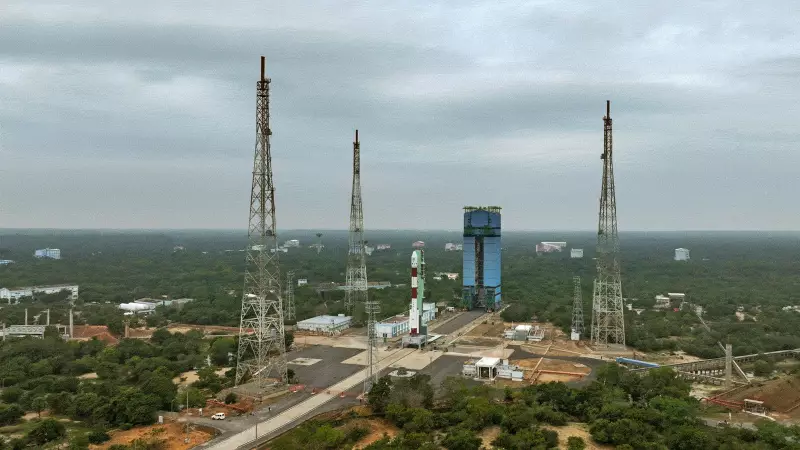
ISRO's Reliability Takes a Hit with Three Mission Failures in Twelve Months
The Indian Space Research Organisation has faced an unusual and troubling pattern over the past year. Between January 2025 and January 2026, the agency experienced three separate mission failures. This marks a significant departure from its established track record of consistent success.
Back-to-Back PSLV Setbacks Raise Concerns
Two of these failures occurred in rapid succession on the Polar Satellite Launch Vehicle. The PSLV has long been considered ISRO's most dependable workhorse. Its repeated stumbles within a short timeframe have created genuine concern within the space community.
The most recent incident happened on Monday, January 12, 2026. The PSLV-C62 mission encountered problems during its flight. The rocket failed to deliver its spacecraft into the intended orbit. This represents another blow to the organization's operational confidence.

A Reputation Built on Reliability Faces Testing Times
ISRO earned global respect through decades of successful missions. The agency built its reputation on technical precision and launch reliability. The past twelve months have delivered a sharp jolt to that carefully cultivated image.
All three failed missions involved strategic satellites. These are not routine scientific payloads. Their loss carries greater significance for national space capabilities and future planning.
Space analysts note that such a concentration of failures is extremely rare for ISRO. The organization typically maintains an impressive success rate across its diverse launch portfolio. This recent cluster of incidents stands out as an anomaly that demands attention.
Looking Ahead: Recovery and Reflection
The space agency now faces the dual challenge of investigating these technical issues while restoring confidence among stakeholders. Engineers will need to conduct thorough failure analysis for each mission. They must identify root causes and implement corrective measures.
International observers continue to watch ISRO's response closely. How the organization addresses these setbacks will define its trajectory in the coming years. The coming months will reveal whether this represents a temporary dip or signals deeper systemic concerns.
For now, the Indian space program finds itself at an unexpected crossroads. Three missions that should have expanded capabilities instead ended in disappointment. The road to recovery begins with understanding what went wrong and ensuring it does not happen again.