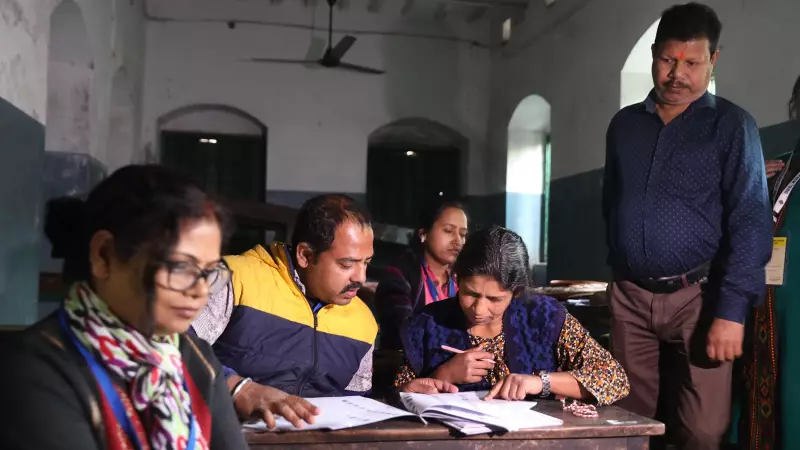
Assam Evictees Line Up for Voter List Hearings After Mass Displacement
Thousands of families evicted from their homes in Assam over the past five years are now urgently seeking to keep their names on the voter list. Large-scale eviction drives on forest land, sattra land, and other government properties have displaced over 50,000 families, many of whom are Bengali-origin Muslims. With the Special Revision of electoral rolls underway, these displaced individuals are receiving notices for hearings due to changes in their addresses.
Notices Spark Anxiety Among Displaced Communities
Many evictees have been summoned by Electoral Registration Officers because they no longer live at their registered voting addresses. For example, people evicted from the Lutumari Reserve Forest in Hojai district in November 2025 got notices on January 7. The notices required them to attend a hearing on January 12 at the Hojai District Commissioner's Office. The notices stated the ground for objection was that they had permanently shifted.
Similar situations are occurring in other districts. In Nalbari, over 90 families evicted last June now live in makeshift camps near their former homes. They also received notices and attended hearings where officials asked about their current whereabouts. In Goalpara, where evictions affected hundreds of families, the district commissioner confirmed that issuing notices has begun, though some residents are still awaiting information.

Officials Clarify Process Is Not for Deletion
Election officials are trying to ease concerns by emphasizing that the hearings are not aimed at deleting names from the voter list. Hojai election officer Aradhana Das explained that the process is about transferring votes to new addresses. She said people brought various documents like land papers and Aadhaar cards to the hearings, even though not required. The goal is to update records so votes can be moved to where evictees are now staying, whether with relatives or in rented accommodations nearby.
Goalpara's district commissioner, Prodip Timung, encouraged evictees to rent places nearby to establish new addresses smoothly. He noted that those from other districts would have their votes shifted back to their home areas. A senior state election official added that many eviction-affected people have already applied to shift their addresses using Form 8. However, if identified as shifted and they do not apply, their names could potentially be deleted, but corrections can be made even after the final list is published.
Community Groups Demand Voting Rights Protection
Despite official assurances, fears persist among the displaced. The All Assam Minority Students' Union in Hojai submitted a memorandum to the District Commissioner. They called for awareness sessions and reasonable opportunities to fill Form 8 for residence shifts. Local leader Monawar Hussain stressed that voting rights and encroachment issues are separate, urging that evictees' voting rights be ensured without hassle wherever they now reside.
Evictees like Suleman Ali from Goalpara, whose home was demolished last June, reported that their names appeared in the draft electoral roll published on December 27. However, they have not received further updates from block-level officers, leaving them uncertain about their status.
Special Revision Process in Assam
Assam is undergoing a Special Revision of electoral rolls, distinct from the Special Intensive Revision in some other states. This process involves house-to-house visits by block-level officers to verify voters. So far, these visits have identified nearly 479,000 deceased electors for deletion, over 523,000 shifted voters, and about 53,600 duplicate entries for correction. The current claims and objections phase allows for applications to include new voters, correct details, or shift addresses, with the final list set for publication on February 10.