

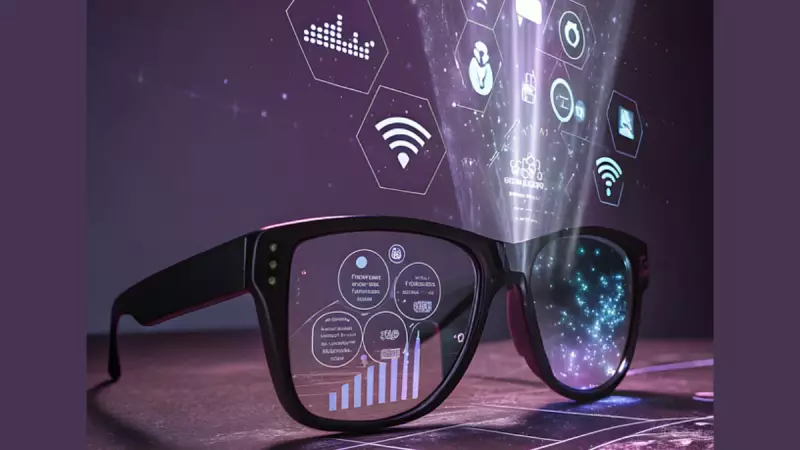
The Consumer Electronics Show (CES) 2026, held in Las Vegas from January 6-9, has once again set the benchmark for technological innovation. This year, the spotlight shone brightly on the next generation of smart glasses, moving beyond clunky prototypes to deliver sleek, powerful, and genuinely useful wearable devices. The show floor was abuzz with five standout models that seamlessly integrated advanced artificial intelligence, immersive augmented reality, and cutting-edge design, signaling a major leap towards mainstream adoption.
The Top Contenders: A New Era of Wearable Computing
This year's CES demonstrated a clear evolution in smart glass technology. Manufacturers focused on creating devices that people would actually want to wear every day, prioritizing style, comfort, and intuitive functionality. The convergence of powerful on-device AI, enhanced display technology, and longer battery life was a common theme across the major reveals.
Ray-Ban Meta x BMW: The Ultimate AI Companion for Drivers
In a surprising and strategic collaboration, Meta partnered with luxury automaker BMW to unveil a special edition of their popular Ray-Ban Meta smart glasses. Launched on January 9, 2026, this model is specifically engineered for drivers. It features a deeply integrated AI assistant that provides real-time navigation, traffic updates, and points of interest directly in the user's field of view.

The glasses can connect seamlessly to the BMW's iDrive system, allowing for hands-free control of in-car functions like climate control and media. The key advancement here is the context-aware AI, which understands when the user is driving and prioritizes relevant information, reducing distraction and enhancing safety. This partnership marks a significant step towards smart glasses becoming an integral part of the connected vehicle ecosystem.
Samsung Galaxy Glass: A Powerhouse with MicroLED Display
Samsung made a triumphant return to the smart glasses arena with the Samsung Galaxy Glass. The highlight of this device is its cutting-edge microLED display technology, which projects vibrant, high-resolution images and data onto the lenses. This solves the common issue of dim or faded AR overlays seen in earlier models.
Powered by a new, proprietary Samsung chipset, the Galaxy Glass offers robust standalone functionality, including advanced AI translation, real-time object identification, and immersive media playback. Its sleek design, reminiscent of premium sunglasses, and its deep integration with the Samsung Galaxy ecosystem position it as a strong contender for Android users looking for a high-end wearable experience.
Xiaomi Smart Glasses Ultra: The Feature-Rich Challenger
True to its reputation, Xiaomi unveiled the Smart Glasses Ultra, a device packed with an impressive array of features at a competitive price point. It boasts a 60-megapixel camera for photography and video recording, a feature that pushes the boundaries of what's possible in a form factor this small.
Beyond imaging, the glasses offer comprehensive health monitoring, tracking metrics like heart rate, blood oxygen levels, and even stress indicators through sensors on the temples. The AR capabilities are driven by a sophisticated gesture and voice control system, allowing users to interact with apps, receive notifications, and access information without ever touching their phone. Xiaomi's offering proves that advanced technology can be both accessible and multifunctional.
Solos AirGo 3: Redefining Audio-Centric Wearables
Solos, a brand already respected in the smart audio wearables space, launched the AirGo 3, which brilliantly merges high-fidelity sound with contextual visual information. While primarily offering exceptional bone conduction audio for calls and music, its strength lies in its subtle visual notifications.
A small, discreet LED projection system in the corner of the lens displays essential alerts—like caller ID, message previews, or turn-by-turn directions—without being obtrusive. This approach caters to users who want the connectivity and assistance of smart glasses but prefer a less immersive, more audio-focused experience. The AirGo 3's 16-hour battery life was a major talking point, addressing one of the biggest pain points in wearable tech.

LetinAR's 'Jupiter' Prototype: The AR Purist's Dream
Display technology specialist LetinAR captivated developers and industry insiders with its 'Jupiter' reference design. This prototype showcased a revolutionary pin-mirror lens system that delivers an exceptionally wide field of view (over 70 degrees) with high transparency and minimal distortion.
Unlike consumer-ready products, the Jupiter is designed to be licensed to other manufacturers, providing them with the core optical engine to build their own devices. This technology promises to solve long-standing challenges in AR display clarity and immersion, potentially setting a new standard for the industry in the years to come. It represents the foundational tech that will power future generations of smart glasses from various brands.
The Road Ahead: Implications and Market Shift
The innovations displayed at CES 2026 indicate that smart glasses are finally maturing from niche gadgets into viable consumer products. The emphasis on partnerships, like Meta and BMW, shows an understanding that integration into existing digital and physical ecosystems is key to adoption. The advancements in display clarity, battery efficiency, and AI contextual awareness are addressing the fundamental barriers that have held back the category.
These devices are no longer just about displaying notifications; they are evolving into intelligent companions for productivity, navigation, health, and entertainment. As the underlying technology becomes more affordable and refined, we can expect a rapid expansion in the market, moving from early adopters to the general public. CES 2026 will likely be remembered as the moment smart glasses stepped out of the shadow of skepticism and into the light of mainstream potential.





