Guwahati Youth Pioneers Eco-Friendly Paper from Invasive Water Hyacinth
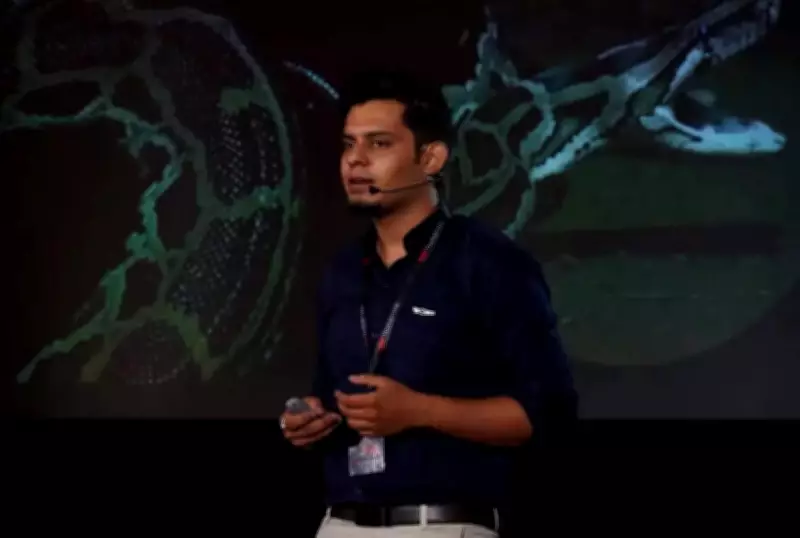
In a groundbreaking environmental initiative, Rupankar Bhattacharjee, a young innovator from Guwahati, has developed a novel process to convert water hyacinth—one of the world's most invasive aquatic weeds—into organic paper. This effort is strategically positioned as both a pollution-control measure and a sustainable livelihood venture, directly linked to the restoration of vital wetland ecosystems.
The Environmental Challenge of Water Hyacinth
Water hyacinth is notorious for its rapid spread across water bodies, where it restricts sunlight, depletes oxygen levels, and severely disrupts aquatic biodiversity. This invasive plant also exacerbates water pollution, creating significant disposal challenges for communities and authorities alike. For years, managing this weed has been a persistent environmental headache, but Bhattacharjee saw an opportunity to repurpose it into something valuable.
From Research to Real-World Application
Bhattacharjee began his journey by delving into research on water hyacinth, despite limited internet access at the time. Through diligent study, he discovered that the plant contains cellulose and hemicellulose fibres, which are essential components for paper production. To test his ideas, he and his friends frequently visited Deepor Beel, a wetland in Guwahati, where they combined bird-watching with collecting hyacinths for trials.

"After many trials and errors, we finally succeeded in making the paper," Bhattacharjee recounted, highlighting the perseverance required to achieve this breakthrough.
Scaling Up into a Sustainable Business
Following initial success, Bhattacharjee aimed to transform this innovation into a viable income stream. He applied to the 'Zero Waste Cities Challenge' and secured funding from a UK-based company after being named global winners. In 2020, he and his partner Aniket launched a small company called 'Inside Out' to commercialize the process.
"We were very young when we started this company. So, after two years, we started a new company called 'Kumbhi-kagaz', as 'Jala Kumbhi' is the name of water hyacinth, and 'kagaz' means paper," he explained, detailing the evolution of their entrepreneurial venture.
Inspiration and Mentorship
Bhattacharjee, a student of Maharishi Vidya Mandir, initially pursued contemporary art before a pivotal meeting with mentor Jayaditya Purkayastha, a herpetologist. This encounter shifted his focus toward wildlife-linked environmental work, aligning with his passion for nature.
"I love wildlife, and it was a dream come true. He came into my life at a very crucial turning point, when I was desperate to find a purpose," he added, emphasizing the role of mentorship in his journey.
Broader Implications and Future Prospects
This innovation not only addresses the pressing issue of water hyacinth disposal but also promotes sustainable practices by:
- Reducing pollution in aquatic ecosystems through weed removal.
- Creating eco-friendly paper products that support circular economy principles.
- Generating livelihood opportunities for local communities, particularly in wetland areas.
- Contributing to biodiversity conservation by restoring natural habitats.
As Bhattacharjee and his team continue to refine their process, this project stands as a testament to how youth-led initiatives can drive meaningful environmental change while fostering economic resilience. It highlights the potential for innovative solutions to tackle global challenges like invasive species and pollution, setting a precedent for similar efforts worldwide.