Elon Musk's Personal Vaccine Experience Reignites Global COVID-19 Safety Debate
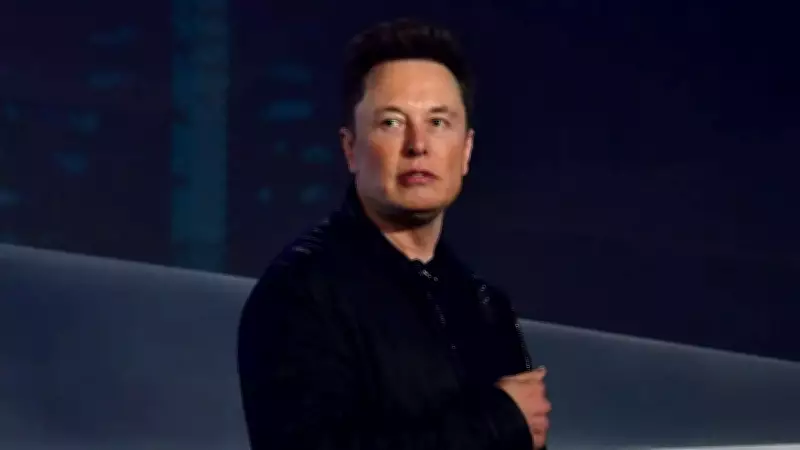
Tech billionaire and X owner Elon Musk has sparked a renewed global conversation about COVID-19 vaccine safety by sharing a deeply personal account of his contrasting experiences with the virus and its vaccine. In a post on X that has amassed over 15 million views, Musk described his reaction to the second vaccine shot as so severe it made him question the dosage, while his bout with the original Wuhan strain felt no worse than a common cold.
Musk's Stark Contrast Between Infection and Vaccination
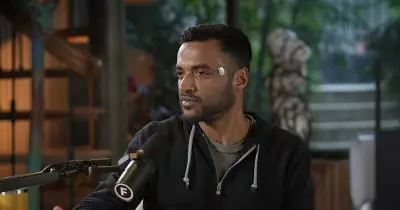
On April 12, 2026, Elon Musk responded to testimony by former Pfizer toxicologist Dr. Helmut Sterz at a German parliamentary inquiry, posting: "The vaccine dosage was obviously too high and done too many times." He elaborated, "I had the original Wuhan virus before there was any vaccine and it was much like any other cold or flu. Bad, but not terrible. But my second vaccine shot almost sent me to the hospital. Felt like I was dying." This repost of content from Swedish journalist Peter Imanuelsen quickly became one of the most discussed topics on the platform, triggering widespread sharing of personal experiences.
The German Parliamentary Testimony That Fueled Controversy
The controversy stems from Dr. Helmut Sterz's appearance before the Bundestag's Corona Enquete Commission on March 19, 2026, invited by the AfD party. A retired toxicologist with past roles at Roche and Pfizer, Sterz made several unverified claims:

- Alleged bypassing of key preclinical safety studies during vaccine development.
- Raised concerns about potential long-term effects of the Pfizer-BioNTech vaccine.
- Applied a speculative multiplier to Germany's official figure of 2,133 post-vaccination deaths, estimating 20,000 to 60,000 vaccine-linked fatalities—a figure not supported by health authorities or scientific consensus.
This testimony, while controversial, lacks independent verification and remains an individual interpretation rather than established fact.
Musk's Evolving Stance on COVID-19 Vaccines
Elon Musk's history with COVID-19 vaccines has been nuanced and shifting:
- In September 2020, he stated he would not take the vaccine.
- After testing positive for COVID-19, he shifted his position by 2021, publicly supporting vaccines in general and COVID vaccines specifically.
- He received a Johnson and Johnson shot, which he tolerated well, but reported strong reactions to subsequent mRNA booster doses, including severe side-effects in January 2023 and mention of a relative developing myocarditis.
Despite criticism, Musk maintains he is not anti-vaccine. In a 2024 interview with Tucker Carlson, he acknowledged vaccines' life-saving role, citing polio and smallpox as achievements. His primary concern has been mandates, not the vaccines themselves, stating: "My concern was more the demand that people must take the vaccine and multiple boosters to do anything at all." He also affirmed he would not fire employees refusing vaccination.
Scientific Consensus on Vaccine Safety and Efficacy
Health authorities worldwide continue to uphold the safety and effectiveness of COVID-19 vaccines for most populations. Key points include:
- The World Health Organization describes vaccines as a crucial tool in reducing severe illness and deaths during the pandemic.
- The Centers for Disease Control and Prevention notes myocarditis as a rare, typically mild side effect of mRNA vaccines that usually resolves without complications.
- Common side effects like fatigue, fever, and soreness are expected immune responses, generally short-lived.
Musk did not specify his exact symptoms, making clinical interpretation challenging. The debate highlights a broader tension in post-pandemic discourse between established scientific evidence and individual anecdotes. While adverse events occur, they remain rare compared to the overall benefits of vaccination in preventing severe disease.

Impact of High-Profile Voices on Public Perception
Elon Musk's comments underscore how influential figures can significantly shape public opinion on health matters. As the conversation evolves, it reflects ongoing discussions about vaccines, risk assessment, and personal choice in a post-pandemic world. The global response to his post demonstrates the enduring sensitivity and complexity surrounding vaccine safety debates, balancing scientific data with personal narratives.