

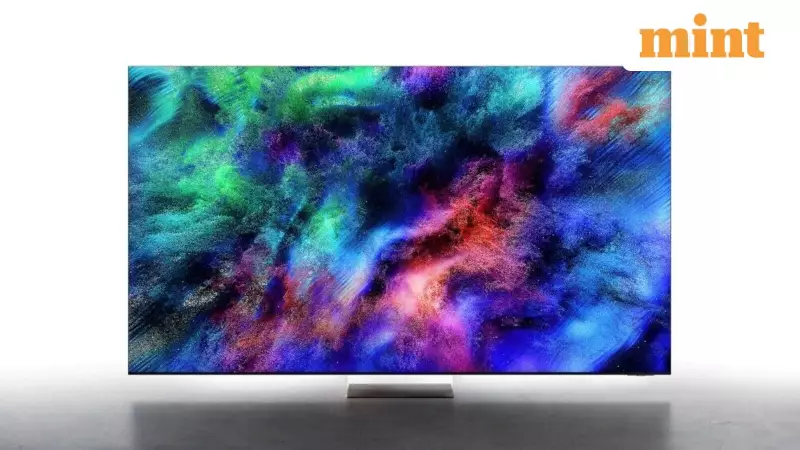
For years, OLED televisions have reigned supreme as the benchmark for premium picture quality. Their ability to deliver perfect blacks and stunning contrast made them the top choice for cinephiles. However, the landscape is shifting as we move into 2026. A new challenger, Micro RGB display technology, is emerging from giants like Samsung and LG, promising to push colour and brightness to new heights.
The Core Battle: How Micro RGB and OLED Work
The fundamental difference lies in their approach to light. OLED (Organic Light-Emitting Diode) panels have self-illuminating pixels. Each pixel can turn on and off independently, allowing for true black levels and incredible contrast. Modern versions with quantum dot enhancements also offer vivid colours and better brightness than earlier models.
In contrast, Micro RGB technology uses a dense array of microscopic red, green, and blue LEDs as a backlight behind an LCD layer. This precise control over coloured light sources allows these TVs to achieve exceptional brightness and a very wide colour gamut, making them ideal for well-lit Indian living rooms and high dynamic range (HDR) content.

Picture Quality, Burn-in, and Longevity
When it comes to colour performance, Micro RGB sets a new bar. By using pure red, green, and blue LEDs, it can cover extensive colour standards like BT.2020 with high accuracy. OLED TVs, while excellent, sometimes fall slightly short of this extreme colour coverage, though top-tier models with quantum dots remain visually spectacular.
A significant practical advantage for Micro RGB is its complete immunity to screen burn-in. Since its micro LEDs are inorganic, they do not degrade from static images like news channel tickers or gaming interfaces. OLED's organic materials can suffer from uneven wear over very long periods, leading to potential image retention, despite manufacturers incorporating advanced preventative measures.
Availability, Price, and What to Buy in 2026
Currently, OLED TVs are widely available from brands like LG, Sony, and Philips across various sizes and price points, offering strong value. Micro RGB entered the market with massive, prohibitively expensive screens, but 2026 marks a major expansion.
Samsung's premium Micro RGB series will now range from a more accessible 55 inches up to a colossal 115 inches. LG is also entering the fray with its Micro RGB evo TVs, which intriguingly leverage the company's renowned OLED processor technology for superior picture processing and colour control.
So, which technology should you choose for your home? If your priority is cinematic contrast, perfect blacks, and proven value, OLED remains a fantastic choice. However, if you need extreme brightness for a sunny room, desire the widest colour range, or are concerned about long-term burn-in from heavy use, the newly accessible Micro RGB models present a compelling and future-ready alternative.






