Kuwajia Auto-Eject Phone Charger from China Goes Viral: Should Indian Users Care About This New Tech?
A novel phone charger developed by the Chinese company Kuwajia has taken the internet by storm, capturing global attention with its innovative auto-eject feature. This technology, which automatically disconnects the charger from the phone once the battery is fully charged, has sparked widespread discussion and curiosity among tech enthusiasts and consumers alike. As videos and reviews of the Kuwajia auto-eject charger flood social media platforms, a critical question emerges: should Indian users pay heed to this viral gadget, or is it merely a passing tech fad with limited relevance in the Indian market?
What Is the Kuwajia Auto-Eject Charger?
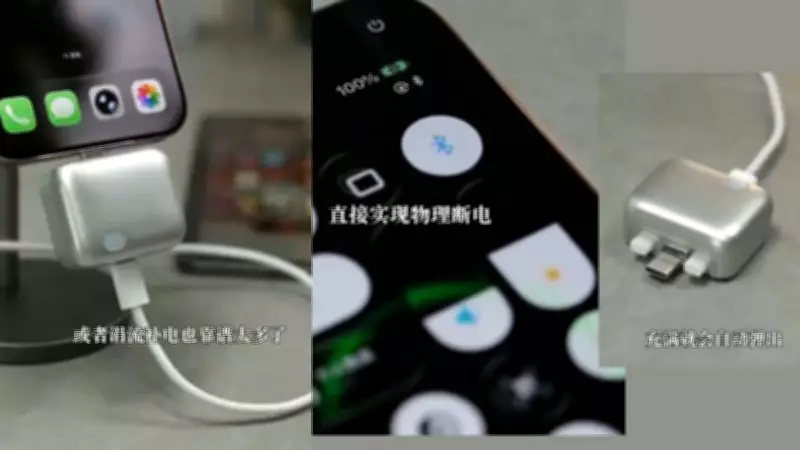
The Kuwajia auto-eject charger represents a significant advancement in charging technology, designed to enhance user convenience and potentially improve device safety. Unlike traditional chargers that require manual unplugging, this device incorporates a smart mechanism that detects when the phone's battery reaches full capacity. Upon completion of charging, it automatically ejects the connector from the phone, eliminating the need for user intervention. This feature aims to prevent overcharging, which can degrade battery health over time, and reduce wear and tear on charging ports caused by frequent plugging and unplugging.
Initial reports and viral content highlight the charger's sleek design and ease of use, with many users praising its futuristic appeal. However, technical specifications such as charging speed, compatibility with various phone models, and power output remain under scrutiny. The charger is currently available in select markets, primarily in China, and its viral status has fueled speculation about potential global expansion, including to India.

Potential Benefits and Drawbacks for Indian Users
For Indian consumers, the Kuwajia auto-eject charger offers several potential advantages. Firstly, it could contribute to better battery longevity by mitigating overcharging risks, a common issue in households where phones are often left plugged in overnight. Secondly, the auto-eject function might enhance safety by reducing the likelihood of electrical faults or short circuits associated with prolonged charging. Thirdly, it aligns with the growing demand for smart and automated gadgets in India's tech-savvy population, which increasingly values convenience and innovation.
However, significant drawbacks and concerns must be considered. Compatibility is a major issue, as the charger may not support all phone brands and models popular in India, such as those from Samsung, Xiaomi, or Apple, without adapters or modifications. Cost is another factor; if imported, the charger could be priced higher than standard options, making it less accessible to budget-conscious Indian users. Regulatory compliance is crucial, as Indian safety standards for electronic devices are stringent, and the charger would need certification from bodies like the Bureau of Indian Standards (BIS) to ensure it meets local requirements. Additionally, after-sales support and warranty services might be limited if the product is not officially launched in India, posing risks for consumers.
Market Context and Consumer Sentiment in India
The Indian smartphone and accessories market is one of the largest and most competitive globally, characterized by a strong preference for value-for-money products and reliable performance. While viral tech trends often generate initial excitement, Indian users tend to be pragmatic, prioritizing factors such as affordability, durability, and brand trust. The Kuwajia charger's viral status may attract early adopters and tech enthusiasts, but widespread adoption will depend on its practical utility and alignment with local needs.
Industry experts suggest that for such innovations to gain traction in India, companies must address key market-specific challenges. These include ensuring compatibility with a diverse range of devices, offering competitive pricing, and establishing robust distribution and service networks. Moreover, educating consumers about the benefits of auto-eject technology, such as battery health preservation, could drive demand if backed by credible data and testimonials.

Should Indian Users Care?
In conclusion, the Kuwajia auto-eject phone charger presents an intriguing technological development that warrants attention from Indian users, but with cautious consideration. Its viral popularity underscores a global interest in smart charging solutions, yet its relevance in India hinges on several factors. Indian consumers should monitor updates on its availability, pricing, and compliance with local standards before making purchasing decisions. While the charger offers potential benefits in terms of convenience and battery care, it is essential to weigh these against practical concerns like cost and compatibility.
As the tech landscape evolves, innovations like the Kuwajia charger highlight the ongoing quest for enhanced user experiences. For now, Indian users might view this viral gadget as a glimpse into future charging technologies, but widespread care and adoption will likely depend on how well it adapts to the unique dynamics of the Indian market. Staying informed through reliable sources and expert reviews is advisable to navigate such emerging trends effectively.