Hebbal Metro Hub: A Multimodal Transit Vision or Missed Opportunity?
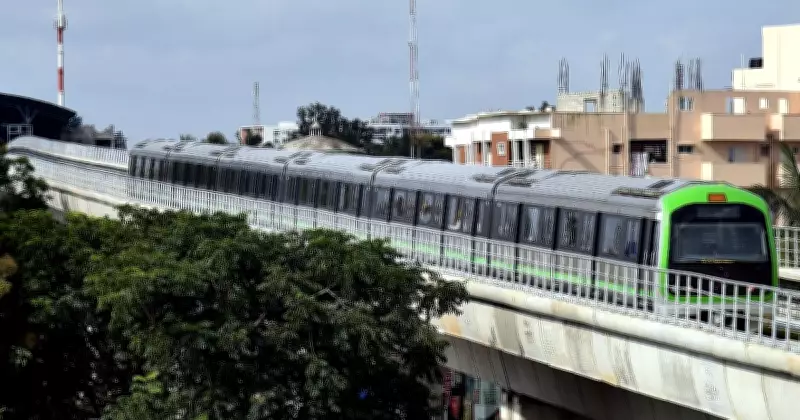
The future of Hebbal as a key transit point in Bengaluru hangs in the balance, with recent developments sparking debate over whether it will become a seamless multimodal hub or represent a significant lost opportunity for urban integration. The Bangalore Metro Rail Corporation Limited (BMRCL) has taken a crucial step by acquiring 6,712.97 square meters, equivalent to 1.65 acres, from the Karnataka Industrial Areas Development Board (KIADB). This land acquisition is specifically designated for station and viaduct construction as part of the ambitious Phase 2B expansion of the Namma Metro network.
Land Acquisition Details and Strategic Implications
The acquisition of 1.65 acres marks a pivotal move in the metro's expansion strategy, aimed at enhancing connectivity in the rapidly growing Hebbal area. Located adjacent to the existing BMTC bus depot, the Hebbal metro station is poised to become a critical interchange point. However, concerns are mounting about whether this development will fully leverage its potential to integrate various modes of transport, including buses, autos, and pedestrian pathways, or if it will fall short of creating a truly multimodal experience.
Experts argue that the success of such hubs depends on meticulous planning and coordination between multiple agencies. With Hebbal already experiencing heavy traffic congestion, the metro expansion could either alleviate these issues through efficient design or exacerbate them if integration is poorly executed. The proximity to the BMTC depot offers a unique opportunity for seamless bus-metro transfers, but this requires synchronized schedules, adequate infrastructure, and user-friendly amenities.

Challenges and Community Perspectives
Local residents and commuters have expressed mixed reactions to the project. While many welcome the enhanced metro connectivity as a boon for daily travel, others fear that without comprehensive planning, Hebbal might become another congested node rather than a model transit hub. Key challenges include:
- Ensuring pedestrian safety and accessibility around the station area.
- Integrating feeder services like autos and cabs to reduce last-mile connectivity gaps.
- Managing increased footfall and vehicular traffic without disrupting existing flows.
- Incorporating sustainable features such as green spaces and cycling tracks.
The BMRCL's Phase 2B plan is part of a broader effort to expand Bengaluru's metro network, but critics emphasize that land acquisition alone is not sufficient. They call for a holistic approach that considers urban design, environmental impact, and community needs to transform Hebbal into a true multimodal success story.
As Bengaluru continues to grapple with urban mobility challenges, the Hebbal metro hub stands as a test case for the city's ability to innovate in public transport. The outcome will likely influence future projects across India, making it a focal point for policymakers, urban planners, and citizens alike. The clock is ticking to ensure this opportunity is not lost in the complexities of implementation.