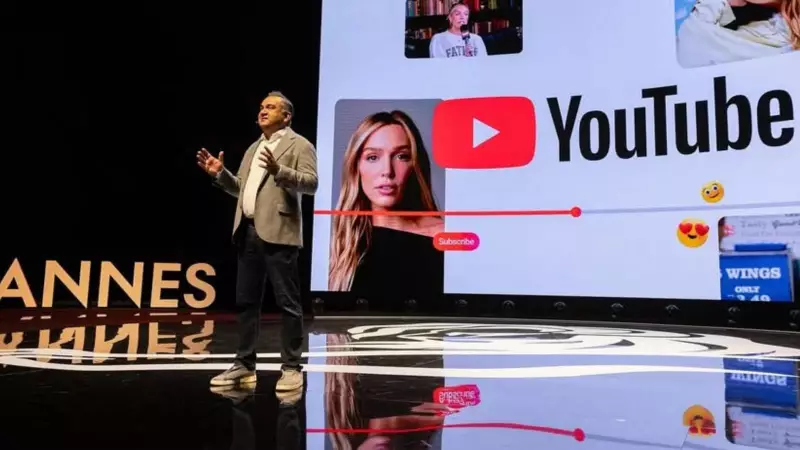
YouTube CEO Unveils 2026 Plan to Tackle AI-Generated 'Slop' Content
In a significant announcement, YouTube CEO Neal Mohan has outlined the platform's strategic focus for 2026, targeting the reduction of AI-generated low-quality content, colloquially referred to as 'slop'. This move comes as part of YouTube's ongoing efforts to maintain high standards and combat the proliferation of automated, subpar material that can degrade user experience.
Addressing the Rise of AI 'Slop'
Mohan emphasized that the rapid advancement of artificial intelligence has led to an influx of content that lacks originality, creativity, and value, often flooding the platform with repetitive or misleading videos. He described this phenomenon as 'AI slop', a term gaining traction in tech circles to denote mass-produced, algorithmically generated content that prioritizes quantity over quality.
The CEO highlighted that while AI tools offer immense potential for creators, their misuse poses challenges for content moderation and viewer trust. YouTube's 2026 initiative aims to strike a balance by leveraging AI itself to detect and filter out such content, ensuring that the platform remains a space for authentic and engaging videos.

Key Strategies for Implementation
To achieve this goal, YouTube plans to implement several measures by 2026:
- Enhanced Detection Algorithms: Developing more sophisticated AI systems to identify and flag AI-generated 'slop' based on patterns of low engagement, duplication, and lack of human input.
- Creator Guidelines Updates: Revising policies to clearly define acceptable use of AI in content creation, with stricter enforcement against violations.
- User Feedback Integration: Increasing reliance on community reports and feedback to improve the accuracy of content moderation efforts.
- Transparency Initiatives: Exploring ways to label or disclose AI-generated content, helping viewers make informed choices.
Mohan noted that this focus aligns with broader industry trends, as platforms globally grapple with the ethical and practical implications of AI in media. He assured that YouTube will collaborate with experts and stakeholders to refine these strategies, aiming for a rollout that minimizes disruption to legitimate creators.
Impact on the Digital Ecosystem
This announcement is expected to have far-reaching effects on the digital content landscape. By targeting AI 'slop', YouTube seeks to protect its ecosystem from degradation, which could otherwise lead to decreased user satisfaction and advertiser confidence. Mohan stressed that the platform's commitment to quality is paramount, as it directly influences revenue streams and long-term sustainability.
Industry analysts predict that other social media and video-sharing platforms may follow suit, as the issue of AI-generated content becomes more pressing. This proactive stance by YouTube could set a precedent for responsible AI usage in the tech world, encouraging innovation while safeguarding against abuse.
As 2026 approaches, users and creators alike will be watching closely to see how YouTube implements these changes, with hopes for a cleaner, more trustworthy online environment.