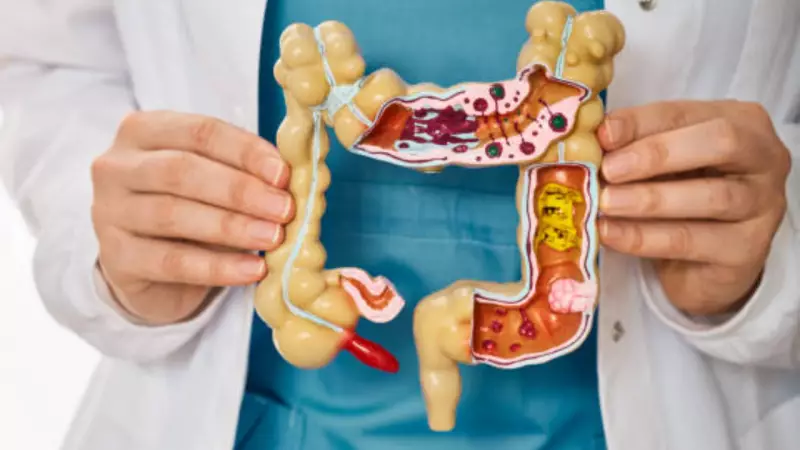
Scientists from IIT Delhi and AIIMS New Delhi have achieved a breakthrough in medical diagnostics. They successfully tested a swallowable smart pill that collects microbiome samples directly from the human intestine. This innovation eliminates the need for invasive procedures like endoscopy.
Exploring the Inner Universe of Our Body
The human gut microbiome represents a vast ecosystem within us. It contains at least half of the cells in our body. These microbes play essential roles in digestion, immune function, metabolism, and even mental health. Yet, studying this inner universe has remained challenging.
Current diagnostic methods rely heavily on stool samples or invasive endoscopy. These approaches often fail to provide an accurate picture of the intestine, especially the small bowel. The new smart pill aims to solve this problem effectively.

How the Smart Pill Works
Researchers developed the device at IIT Delhi's Medical Microdevices and Medicine Laboratory. The pill is small enough for comfortable swallowing. Once ingested, it travels naturally from the stomach into the intestine.
The entire sample collection process occurs autonomously. It requires no external control or imaging guidance. The device collects site-specific biological samples before exiting the body naturally. Importantly, it causes no injury and needs no surgical intervention.
Scientists conducted experiments using Sprague-Dawley rats. Their findings, published last month in the Wiley Online Library, demonstrate the pill's effectiveness. The project received funding from the Indian Council of Medical Research (ICMR).
Precision Analysis with Nanopore Sequencing
Researchers used nanopore sequencing technology to analyze collected samples. This method identified gut microbes down to the species level. Such precision is difficult to achieve with conventional sampling techniques.
The technology offers particular advantages for studying the small intestine. This region remains relatively inaccessible for routine testing despite its importance. It is increasingly implicated in various disorders including malabsorption, unexplained abdominal pain, chronic diarrhea, and metabolic disease.
Potential Impact on Medical Practice
Professor Sarvesh Kumar Srivastava from IIT Delhi serves as the principal investigator of the study. He draws an interesting comparison. "There is a hidden universe of living microbes in our body," he says. "Just as we send rovers to explore outer space, we need miniaturized devices to explore the inner space of the human body."
The smart pill could significantly change how digestive diseases are studied, diagnosed, and monitored. Human trials represent the next step for this technology.
Toward Personalized Therapies
Experts believe this innovation could pave the way for personalized medical treatments. By providing detailed microbial signatures, the pill helps doctors distinguish between disease subtypes that show similar symptoms. This precision could lead to more targeted and effective therapies.
The technology may also reduce dependence on invasive procedures. This benefit is especially important for patients requiring repeated monitoring over time. The smart pill offers a less intrusive alternative while providing superior diagnostic information.
This development represents a significant advancement in gastrointestinal medicine. It combines Indian scientific expertise with practical medical needs. The collaboration between IIT Delhi and AIIMS New Delhi demonstrates how engineering and medicine can work together to solve complex health challenges.