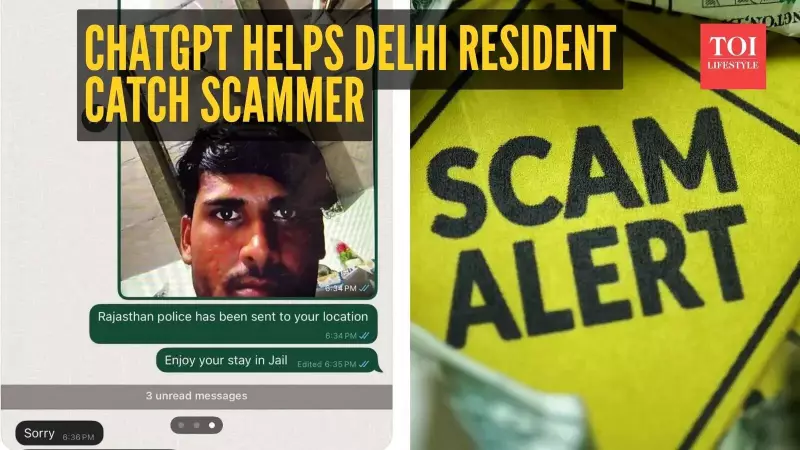
In an ingenious twist to the common tale of online fraud, a resident of India's capital has demonstrated a novel use for artificial intelligence. A Reddit user from Delhi recently shared a detailed account of how they not only identified a scam attempt but executed a sophisticated counter-strike using OpenAI's ChatGPT, leading to the scammer's panic-stricken pleas for mercy.
From Suspicious Message to AI-Powered Trap
The entire episode began on Facebook when an individual, posing as the Reddit user's college senior, initiated contact. The impersonator claimed to be an Indian Administrative Service (IAS) officer and offered a deal on high-end appliances supposedly being sold by a "CRPF officer friend" at a suspiciously low price. The Delhi resident's suspicion was immediately raised because their actual senior already possessed their phone number. A quick verification on WhatsApp with the real person confirmed it was a fraudulent approach.
Instead of disengaging, the user decided to play along. Soon, a second number contacted them, this time using a profile picture of a person in an army uniform. This contact aggressively pushed for payment via a QR code, their tone growing notably urgent when discussing money. Recognizing the classic signs of a scam, the Redditor saw an opportunity for retaliation.

Building the Digital Snare with ChatGPT
While pretending to have technical difficulties scanning the QR code, the user turned to ChatGPT. They prompted the AI to generate the code for a simple, functional webpage that mimicked a payment upload portal. The true purpose of this page was to capture critical data from anyone who visited it. ChatGPT delivered the code promptly. After hosting the page online, the user sent the link to the scammer, suggesting it would "expedite the payment process" if the QR code was uploaded there.
The scammer took the bait without hesitation. The moment the link was clicked, the deceptive webpage harvested and relayed the visitor's information back to its creator. The data captured included the scammer's precise GPS coordinates, IP address, and even a snapshot from their device's front-facing camera.
The Dramatic Reversal and Panicked Pleas
The dynamic of the interaction flipped instantly when the Delhi resident sent the captured details, including the photo, back to the scammer. The post describes how the fraudster, now identified and located, spiraled into panic. Multiple calls began pouring in from different numbers, all from the same individual, who begged for forgiveness and promised to cease all fraudulent activities. The Reddit user described the experience, noting "the satisfaction of stealing from a thief is crazy."
The story, shared on the r/delhi subreddit under the title "Used ChatGPT to locate a scammer and made him beg me," quickly went viral. It sparked enthusiastic reactions from the online community, with many users expressing admiration and a desire to employ similar tactics. One comment read, "Mad respect. I am going to use this." The incident has fueled broader discussions about the proactive and unexpected ways everyday internet users are leveraging AI tools for self-defense in the digital space.
Disclaimer: This report is based on an account shared by a Reddit user. The authenticity of these claims has not been independently verified. Attempting to track individuals or collect personal information can be illegal and risky. The public is advised to report suspected fraud to official cybercrime authorities and follow proper legal channels.