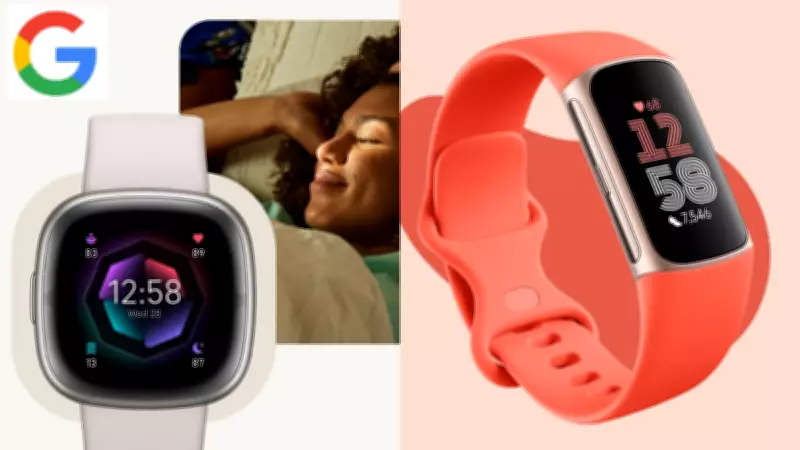
Google's Strategic Shift: A Screenless Fitbit with Subscription-Based Premium Features
In a bold move to redefine the wearable technology landscape, Google is reportedly planning to launch a screenless Fitbit device by 2026. This innovative product will mark a significant departure from traditional smartwatches and fitness trackers, focusing on minimalist design and enhanced health monitoring capabilities. According to industry sources, the device will require users to subscribe to a premium service to access advanced features, signaling a new revenue model for the tech giant in the competitive health tech sector.
Key Features and Subscription Details
The screenless Fitbit is designed to prioritize discreet, continuous health tracking without the distractions of a display. Core functionalities, such as basic step counting and heart rate monitoring, are expected to remain free. However, premium features will be locked behind a subscription paywall. These include:
- Advanced Health Analytics: In-depth insights into sleep patterns, stress levels, and cardiovascular health.
- Personalized Coaching: AI-driven fitness and wellness recommendations tailored to individual user data.
- Integration with Google Services: Seamless connectivity with Google Fit and other health platforms for comprehensive data management.
- Real-Time Alerts: Notifications for abnormal health metrics, potentially aiding in early detection of medical issues.
This subscription model aims to generate recurring revenue while offering enhanced value to health-conscious consumers. Pricing details have not been disclosed, but it is anticipated to be competitive with existing fitness app subscriptions.

Market Implications and Strategic Goals
Google's decision to introduce a screenless Fitbit aligns with broader trends in wearable technology, where simplicity and specialized health functions are gaining traction. By 2026, the global wearable market is projected to expand significantly, driven by increasing health awareness and technological advancements. This move could help Google differentiate its Fitbit brand from competitors like Apple Watch and Samsung Galaxy Watch, which heavily emphasize screens and multifunctionality.
From a strategic perspective, the subscription-based approach reflects Google's ongoing efforts to monetize its hardware and software ecosystem more effectively. Since acquiring Fitbit in 2021, Google has been integrating its AI and cloud capabilities into Fitbit products, and this new device represents a culmination of those efforts. It also underscores the company's focus on leveraging data analytics to provide personalized health solutions, a key growth area in the tech industry.
Potential Challenges and Consumer Response
While the screenless design may appeal to users seeking unobtrusive wearables, the subscription requirement could face resistance. Consumers accustomed to one-time purchases for devices might be hesitant to adopt a recurring payment model. However, if the premium features deliver tangible health benefits, such as improved fitness outcomes or proactive health monitoring, adoption rates could be favorable.
Industry analysts suggest that Google will need to clearly communicate the value proposition to overcome potential skepticism. Emphasizing data privacy and security will also be crucial, given the sensitive nature of health information collected by the device. As development progresses, more details on specifications, battery life, and compatibility are expected to emerge, shaping consumer anticipation ahead of the 2026 launch.
In summary, Google's plan for a screenless Fitbit with subscription-based premium features represents a innovative step in wearable technology. By blending minimalist design with advanced health analytics, the company aims to capture a niche market while exploring new revenue streams. As 2026 approaches, this initiative will be closely watched for its impact on both the fitness tracker industry and consumer health habits.