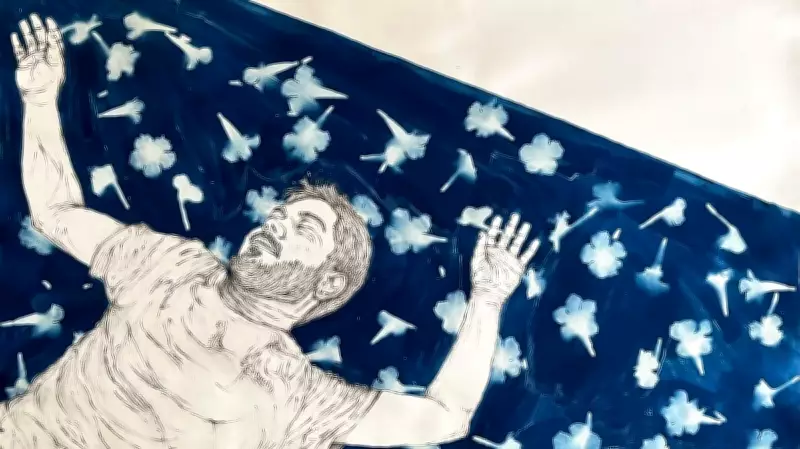
Cyanotype printing, a photographic process dating back to the 19th century, is experiencing a steady revival in Bengaluru. Unlike digital workflows, this alternative technique depends on sunlight, manual preparation, and a degree of unpredictability, ensuring that no two prints are identical.
The Appeal of Cyanotype
Artists and photographers in the city are increasingly drawn to cyanotype for its hands-on nature and distinctive blue hues. The process involves coating paper with a photosensitive solution, exposing it to ultraviolet light (often sunlight), and then washing it with water to develop the image. The result is a Prussian blue monochrome print that can range from deep indigo to pale cerulean.
Why It's Different
Unlike digital photography, where images can be replicated exactly, cyanotype prints are inherently unique. Factors such as exposure time, weather conditions, and the quality of the coating affect the final outcome. This unpredictability is part of the charm, says local artist Ananya Koppa, who has been experimenting with the medium for years.

Growing Community
Workshops and exhibitions dedicated to cyanotype are becoming more common in Bengaluru. Enthusiasts gather to share techniques, from using natural objects like leaves and flowers to creating photograms. The revival is part of a broader interest in historical photographic processes, including wet plate collodion and daguerreotype.
Practical Considerations
Cyanotype requires minimal equipment: chemicals (ferric ammonium citrate and potassium ferricyanide), paper, and a source of UV light. Many practitioners use the sun, making the process weather-dependent. However, this also connects them to natural rhythms, a stark contrast to the instant gratification of digital photography.
Challenges and Rewards
The learning curve can be steep, as factors like water quality and paper type affect results. But for those who persist, the rewards are tangible: a physical, handcrafted image that carries the mark of its creation. As Koppa notes, "Each print is a conversation between the artist, the chemicals, and the light."
The revival of cyanotype in Bengaluru reflects a larger trend of artists seeking authenticity and craftsmanship in an increasingly digital world. With its rich history and creative potential, this 19th-century technique is finding new life in the 21st century.