FIFA World Cup 2026 Faces Boycott Calls Over US Tensions and Minneapolis Shooting
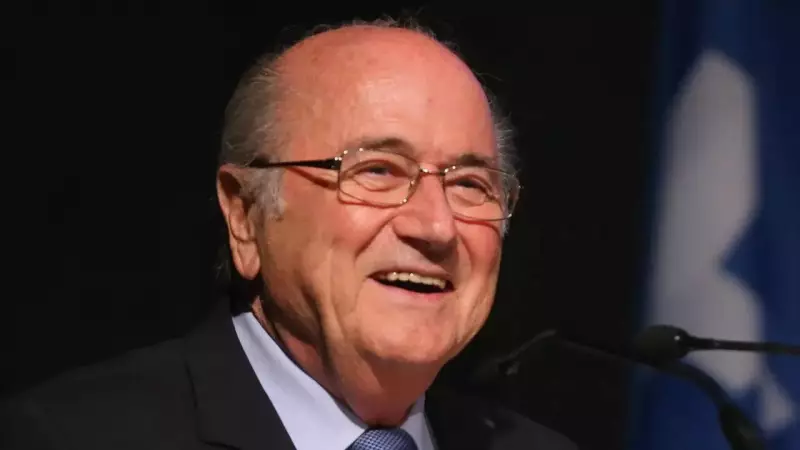
As diplomatic tensions simmer between Washington and several European capitals, the recent Minneapolis shooting has ignited a public debate about whether nations should participate in the upcoming FIFA World Cup hosted by the United States. The controversy has gained momentum with former FIFA president Sepp Blatter adding his voice to the growing chorus calling for a boycott.
Blatter Endorses Anti-Corruption Lawyer's Warning
Sepp Blatter has publicly endorsed remarks by Swiss anti-corruption lawyer Mark Pieth, who urged football supporters to reconsider traveling to the United States for the tournament. The 2026 World Cup is scheduled to be co-hosted by the United States, Canada, and Mexico from June 11 to July 19, 2026.
"For the fans, there's only one piece of advice: stay away from the USA!" Blatter stated, aligning himself with Pieth's position. "I think Mark Pieth is right to question this World Cup."

Pieth cited the killing of protester Renee Good by an American immigration agent in Minneapolis earlier this month as a primary reason for supporters to avoid traveling to the United States. Blatter's endorsement came shortly after a second US citizen, Alex Pretti, died last weekend, further fueling the controversy.
Netizens Amplify Boycott Calls Across Social Media
The call for a boycott has resonated strongly across social media platforms, with numerous netizens expressing their support for avoiding the tournament in the United States. The sentiment reflects broader concerns about America's current political and social climate.
- One user on X declared: "Cancel the Olympics. Cancel the World Cup. Cancel America. We are not fit to host the world."
- Empire Magazine editor-in-chief Nick de Semlyen added: "Every country should boycott the World Cup."
- Another user emphasized: "The World Cup is about unity. Trump represents the opposite. Nations should send a loud, clear message: BOYCOTT THE WORLD CUP."
- A particularly pointed comment warned: "Buckle up America. The world is going to boycott you now. And it’s your fault."
Broader Implications for International Sports Diplomacy
This developing situation raises significant questions about the intersection of international sports, diplomacy, and human rights. The 2026 World Cup was envisioned as a celebration of global unity through football, but current events threaten to overshadow the tournament with political controversy.
The boycott movement represents more than just a reaction to specific incidents—it reflects growing international concern about America's direction and suitability as a host for major global events. As calls for action continue to mount, FIFA and participating nations face difficult decisions about how to proceed with what should be football's premier celebration.
With the tournament still two years away, the coming months will likely see increased pressure on organizers and national football associations to address these concerns transparently. The outcome could set important precedents for how international sporting bodies respond to geopolitical tensions and human rights issues in host countries.