IND vs NZ: Why Abhishek Sharma's First-Ball Zero Shouldn't Be Criticized
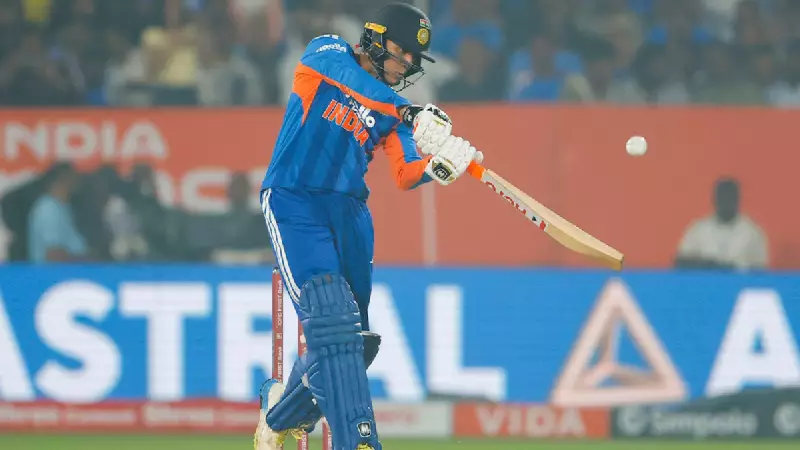
In the fourth T20I between India and New Zealand at the Dr YS Rajasekhara Reddy ACA-VDCA Cricket Stadium in Visakhapatnam on January 28, 2026, Abhishek Sharma fell for a golden duck. While such dismissals are often seen as embarrassing for a batsman, especially when attempting an aggressive stroke, Sharma's approach shouldn't be mocked or counseled. This style has been integral to his success and India's batting dynamism.
The Legacy of Aggressive Openers
Golden ducks are as much a part of Abhishek Sharma's package as his match-winning innings. As India's most destructive opener since Virender Sehwag, Sharma embodies a high-risk, high-reward philosophy that has historically paid off. Turbo-charged openers like Sehwag, Sanath Jayasuriya, and Matthew Hayden all lived and died by their aggressive strokes, yet their methods brought consistent success and intimidated bowlers.
Sehwag, whose simplicity and clarity Sharma carries, often floundered while slashing outside off-stump, but that same stroke accounted for a quarter of his international runs. Similarly, Jayasuriya's short-arm pull occasionally undid him but never lost its effectiveness. Hayden's habit of walking down the pitch to pummel bowlers set the tone for innings. Sharma's first-ball glide-and-thump serves a similar purpose—it sets the tempo, dispels pent-up energy, and instills rhythm.

The Science Behind the Aggression
Contrary to appearing as blind kamikaze shooting, Sharma's approach is rooted in sound fundamentals. His technique involves:
- Soft hands and rubbery wrists for better control
- A still head and seamless weight transfer
- Manufacturing just enough room for a free swing
- Avoiding excessive force or the kitchen sink method
His hand-eye coordination allows him to execute even when misjudging length or movement. While the stroke entails risk—especially with the new ball moving and bowlers studying him—even orthodox strokes fail. Legends like Rahul Dravid and Sachin Tendulkar were beaten through their defences, and Sourav Ganguly edged his cover-drive to slips. Sharma's identity lies in this aggressive intent, much like Caribbean fast bowlers who intimidate with first-ball bouncers despite occasional boundaries.
Impact on the Game and Bowlers
Sharma's approach injects dread in bowlers, forcing them to stray into his body, where he capitalizes by flexing them through the leg-side. When they shorten lengths, he disdainfully dispatches them either side of the wicket. Bowlers continuously prepare for his advances, knowing he'll attempt similar strokes, which disrupts their plans and creates scoring opportunities later.
One failure shouldn't overshadow the success this method has brought to Sharma and the Indian team. His golden ducks are balanced by golden strokes that have redefined opening batting in T20 cricket. As the team moves forward, embracing this aggressive philosophy could be key to maintaining dominance in the format.