Shashi Tharoor Condemns Pakistan's Boycott of India as 'Pretty Disgraceful' in Lead-Up to T20 World Cup 2026
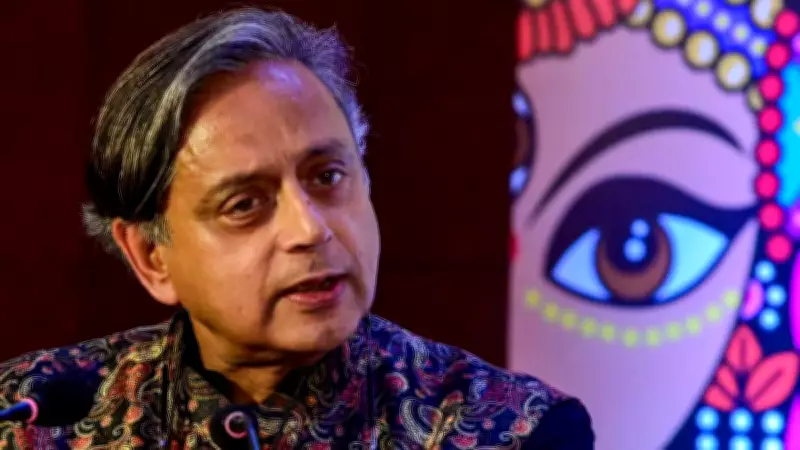
In a sharp critique that has stirred discussions across political and sporting circles, Congress Member of Parliament Shashi Tharoor has labeled Pakistan's decision to boycott India as 'pretty disgraceful' ahead of the highly anticipated T20 World Cup 2026. This statement comes at a time when cricket, often seen as a bridge between the two neighboring nations, faces significant strain due to escalating geopolitical tensions.
Tharoor's Strong Stance on Cricket Diplomacy
Shashi Tharoor, known for his articulate commentary on international affairs, expressed his disappointment over Pakistan's move, emphasizing that such actions undermine the spirit of sportsmanship and diplomacy. He highlighted how cricket has historically served as a platform for fostering goodwill and easing bilateral relations, making the boycott particularly regrettable. Tharoor's remarks reflect a broader concern about the politicization of sports, where athletic events become entangled in complex political disputes.
Background of the India-Pakistan Cricket Rivalry
The cricketing rivalry between India and Pakistan is one of the most intense and watched globally, with matches often drawing millions of viewers. However, recent years have seen a decline in bilateral series due to political issues, including terrorism concerns and diplomatic standoffs. The 2026 T20 World Cup, scheduled to be a major international event, was hoped by many to be an opportunity for a thaw in relations, but Pakistan's boycott decision has cast a shadow over these aspirations.

Tharoor pointed out that such boycotts not only deprive fans of thrilling contests but also hinder efforts at people-to-people connections. He argued that sports should remain a neutral ground where athletes can compete without the burden of political baggage, fostering mutual respect and understanding.
Implications for the T20 World Cup 2026
The T20 World Cup 2026 is expected to feature top cricketing nations, and the absence of high-stakes India-Pakistan matches could impact viewership and excitement. Tharoor's comments underscore the potential consequences of mixing politics with sports, suggesting that it could lead to a diminished experience for global cricket enthusiasts. He called for a reevaluation of such decisions, urging both nations to prioritize dialogue and cooperation over confrontation.
In his view, cricket has the power to transcend borders and bring people together, making it a valuable tool for peace-building. By boycotting, Pakistan risks isolating itself from the international sporting community and missing out on opportunities for engagement.
Reactions and Broader Context
Tharoor's statement has sparked varied reactions, with some supporting his call for depoliticizing sports, while others defend Pakistan's stance based on political grievances. This incident is part of a larger pattern where India-Pakistan relations influence cricketing ties, reflecting the deep-seated issues between the two countries. As the 2026 T20 World Cup approaches, stakeholders in both nations may need to navigate these challenges carefully to ensure the event's success.
Ultimately, Shashi Tharoor's critique serves as a reminder of the delicate balance between sports and politics, urging a focus on unity and fair play in the cricketing world.