Pakistan's T20 World Cup Boycott of India: A Hollow Gesture of Political Theatre
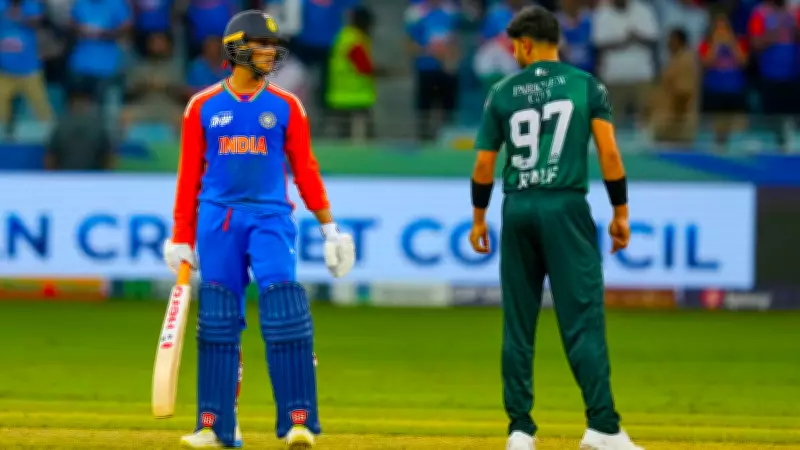
Pakistan's decision to boycott its match against India in the T20 World Cup represents political gesturing at its most incoherent. While the move claims solidarity with Bangladesh, it exposes the hollowness of performative activism in cricket and sets a dangerous precedent for the sport. This selective protest is impossible to justify on security grounds, as Pakistan will play all their other matches in Sri Lanka, raising questions about the consistency of their stance.
The Absurdity of Selective Boycotts
The boycott fails even on its own terms. If safety were the genuine concern, why is Pakistan willing to compete in Sri Lanka for other fixtures? This inconsistency undermines the credibility of their protest. Past boycotts by cricketing nations like Australia, New Zealand, England, and the West Indies—targeting Sri Lanka, Zimbabwe, and Kenya in 1996 and 2003—were all officially framed around security issues. Even England's politically motivated withdrawal from Zimbabwe, stemming from Robert Mugabe's policies, was cloaked in security concerns to maintain a veneer of legitimacy.
Pakistan's one-match boycott reads as empty symbolism. The absurdity deepens when considering the tournament logistics: what if Pakistan and India both advance and meet in the final? Will Pakistan forfeit the championship match, too? Or will they suddenly discover that playing India is acceptable when a trophy is at stake? This scenario highlights the lack of strategic foresight in their decision.

Contrast with Bangladesh's Position
Bangladesh's position, by contrast, had internal logic. When India pressured the Kolkata franchise to de-select Bangladeshi player Mustafizur Rehman from the Indian Premier League, citing safety concerns for a tournament still four months away, Bangladesh had grounds to question how India could then guarantee safety for an entire squad in the immediate future. The International Cricket Council compounded the problem by treating the Mustafizur issue as a domestic matter while expecting Bangladesh to participate in an ICC event at the same venue.
Bangladesh's refusal to play in India, whatever its mix of wounded pride and legitimate grievance, followed a clear cause-and-effect chain. Pakistan's boycott follows no such logic. Their Under-19 team played India in Zimbabwe on the same day this decision was taken, further muddying the waters. Former Pakistan player Basit Ali suggested a sensible alternative: wear black armbands to register a protest while playing the game. Instead, Pakistan chose theatrical withdrawal—solidarity as spectacle rather than substance.
Broader Implications for Cricket Governance
This matters beyond one match. Cricket has never been apolitical; the sport's governance structure was designed to reinforce British imperial hierarchy. The Imperial Cricket Conference, now known as the International Cricket Council, founded in 1909, granted veto powers to England, Australia, and White South Africa, used for decades to suppress initiatives from non-white nations. Even the 1933 Bodyline crisis ended only when the British government pressured Australia to back down to protect bilateral trade.
Politics and cricket have always been inseparable. The question isn't whether politics belongs in cricket, but how political power is wielded. India, with its massive fan base and financial dominance, has the opportunity to govern the sport more equitably than England and Australia did in their heyday. Instead, the Board of Control for Cricket in India's handling of the Mustafizur case—using commercial leverage to exclude a player from a private league—showed the same impulse toward unilateral control. The ICC's passive complicity only reinforced this pattern.
Commercial and Fan Fallout
The real victims are the sport and its stakeholders. Broadcasters have reportedly invested hundreds of millions of dollars, primarily for India-Pakistan fixtures, the most-watched matches in cricket. Without this marquee clash, the tournament loses its commercial centrepiece and viewership magnet. Fans across both nations, already deprived of bilateral series due to decades of political tensions, lose yet another rare opportunity to see their teams compete.

Cricket's already weak governance framework fractures further, with no clear mechanism to prevent future boycotts. When Pakistan faces sanctions for this boycott—whether points deductions, fines, or future participation restrictions—they'll have sacrificed commercial relationships and fan goodwill for a gesture that satisfies no one and achieves nothing. The mess ultimately comes down to adult egos playing politics without strategy. Bangladesh at least had a grievance; Pakistan has only theatre. No Bangladesh, no India-Pakistan—where is the world in the World Cup?