Pakistan Government's T20 World Cup Boycott Decision Sparks Cricket Controversy
The Pakistan government has made a significant announcement regarding the upcoming T20 World Cup, declaring that the national cricket team will not participate in the league stage match against India scheduled for 15 February. This decision has ignited a major debate within the cricketing community, drawing both support and criticism from various quarters.
Mohammad Yousaf's Strong Support and ICC Criticism
Former Pakistan head coach and captain Mohammad Yousaf quickly came out in strong support of the government's controversial decision. In a pointed social media post, Yousaf described the move as "a tough but necessary stand" by the Pakistani authorities. He emphasized that principles must come before commercial interests in international cricket.
Yousaf specifically called out what he termed as "selective influence" within world cricket, suggesting that certain nations wield disproportionate power within the International Cricket Council. "The 'selective' influence in world cricket needs to end for the game to truly be global," Yousaf wrote, adding that while Pakistan plays with pride, the team also stands for equality and justice in sports.

ICC's Response and Concerns
The International Cricket Council responded to Pakistan's decision with clear disappointment, stating that selective participation contradicts the fundamental premise of global sporting events. The ICC emphasized that all qualified teams are expected to compete on equal terms according to the tournament schedule.
The global cricketing body expressed concern that Pakistan's decision does not serve the interests of the global game or cricket fans worldwide. The ICC further warned that this move could have significant long-term implications for cricket in Pakistan itself, potentially affecting the entire global cricket ecosystem of which Pakistan is both a member and beneficiary.
Government Decision and Captain's Reaction
While the Pakistan government has permitted the national team to participate in the T20 World Cup overall, it has specifically barred participation in the match against India. The Shehbaz Sharif-led administration has not clarified whether Pakistan would withdraw from a potential final match against India should both teams advance that far in the tournament.
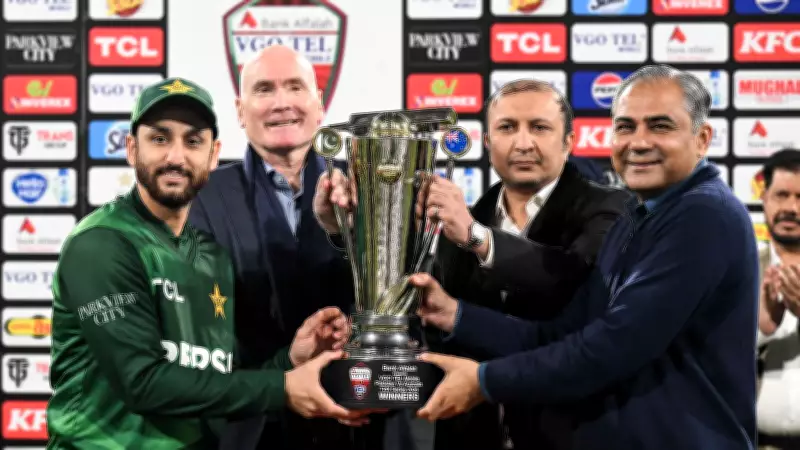
Pakistan captain Salman Ali Agha responded to the situation with diplomatic restraint when questioned about the government's decision. "We are going to the World Cup. The decision not to play against India isn't ours, so we cannot do anything about it," Agha stated, adding that the team would follow whatever instructions they receive from the government and Pakistan Cricket Board officials.
Financial Implications and Broader Impact
The boycott decision has raised concerns about substantial financial losses for broadcasters, given the massive viewership traditionally associated with India-Pakistan cricket matches. Some cricket analysts have suggested that potential revenue losses might need to be recovered from Pakistan Cricket Board's annual share of ICC revenues.
This development represents one of the most significant political interventions in cricket scheduling in recent years, highlighting the complex intersection of sports, politics, and international relations in the subcontinent. The situation continues to evolve as cricket authorities, governments, and fans await further developments regarding this high-stakes cricketing controversy.