The cricketing world has been rocked by Pakistan's controversial decision to partially boycott the upcoming T20 World Cup 2026, specifically refusing to play against arch-rivals India in their scheduled group stage match. Pakistan T20I captain Salman Agha has now broken his silence on the matter, revealing the players' helpless position in this politically-charged situation.
Government Directive Overrides Cricket
In a significant development that has sent shockwaves through international cricket, the Pakistan government announced on Sunday that while the Pakistan Cricket Board (PCB) will participate in the ICC World T20 2026 tournament, they will boycott the crucial league-stage clash against India scheduled for February 15th at Colombo's R Premadasa Stadium. The official government statement posted on social media platform X made this position unequivocally clear, leaving no room for interpretation or negotiation.
Captain's Helpless Response
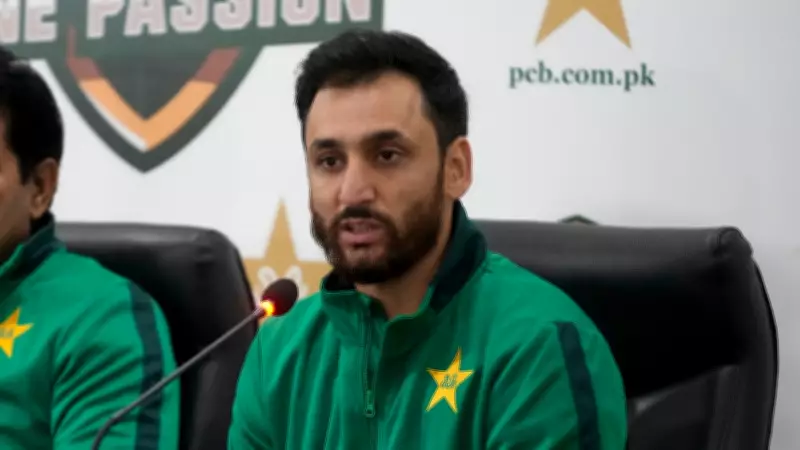
Pakistan captain Salman Agha, speaking to reporters after his team's third T20I victory against Australia, expressed the players' inability to influence this decision. "We are going to the World Cup. Humara decision nahi hai, hum kuch nahi kar sakte," Agha stated, translating to "The decision not to play against India isn't ours, so we cannot do anything about it." He emphasized that the team would strictly follow directives from both the national government and PCB leadership, highlighting the complex intersection of sports and politics in Pakistan-India relations.

ICC's Stern Warning
The International Cricket Council has responded with surprising firmness to Pakistan's selective participation announcement. While acknowledging they await official communication from PCB, the global cricket governing body expressed deep concern about this unprecedented move. "This position of selective participation is difficult to reconcile with the fundamental premise of a global sporting event where all qualified teams are expected to compete on equal terms," the ICC stated in their official response.
The ICC further warned about potential long-term consequences, noting that such decisions could significantly impact Pakistan's standing in the global cricket ecosystem. "The ICC hopes that the PCB will consider the significant and long-term implications for cricket in its own country," the statement continued, while also emphasizing that this move doesn't serve the interests of global cricket or millions of passionate fans worldwide, including those in Pakistan.
Tournament Implications and Squad Details
The boycott decision creates unprecedented complications for the T20 World Cup 2026 organization. Sources in Lahore have confirmed that while the February 15th match against India is definitely off, Pakistan hasn't planned to extend this boycott to potential knockout stage encounters against their traditional rivals later in the tournament.
Despite the controversy, Pakistan enters the World Cup with considerable momentum, having recently completed a dominant 3-0 series victory against Australia with two massive wins by 90-plus run margins. The squad, led by captain Salman Ali Agha, features a blend of experienced campaigners and emerging talent:
- Salman Ali Agha (captain)
- Babar Azam
- Shaheen Shah Afridi
- Fakhar Zaman
- Shadab Khan
- Naseem Shah
- Mohammad Nawaz
- Abrar Ahmed
- Faheem Ashraf
- Saim Ayub
- Sahibzada Farhan (wk)
- Khawaja Mohammad Nafay (wk)
- Usman Khan (wk)
- Mohammad Salman Mirza
- Usman Tariq
Broader Cricket Diplomacy Concerns
The ICC's statement carefully balanced respect for national sovereignty with concern for cricket's global interests. "While the ICC respects the roles of governments in matters of national policy, this decision is not in the interest of the global game," the organization emphasized. They called upon PCB to explore mutually acceptable resolutions that protect all stakeholders' interests while prioritizing the successful delivery of the T20 World Cup, which they believe should be every member board's responsibility.

This development marks another chapter in the complex Pakistan-India cricket relationship, where political tensions frequently spill onto the sporting field. As the cricketing community awaits further developments, all eyes remain on whether diplomatic channels can resolve this impasse before the tournament begins on February 7th.