Pakistan Government Orders Boycott of T20 World Cup Match Against India
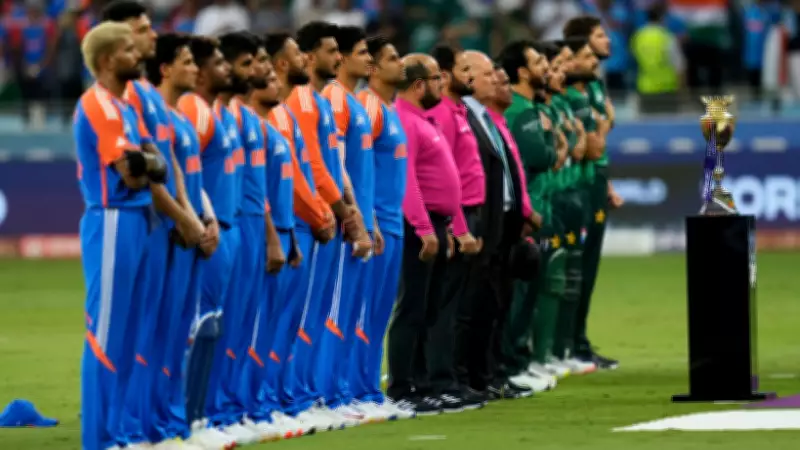
In a dramatic development just days before the men's T20 World Cup begins, the Pakistan government has issued a directive to its national cricket team not to play against India in their scheduled group-stage fixture in Colombo on February 15. This decision comes despite the government granting approval for Pakistan's overall participation in the ICC World T20 2026 tournament.
ICC Issues Stern Warning About Selective Participation
The International Cricket Council responded with a strongly worded statement expressing concern about the potential consequences of this selective boycott. While acknowledging that it awaits official communication from the Pakistan Cricket Board, the world governing body emphasized that such selective participation undermines the fundamental spirit of global sporting competitions.
The ICC warned that this decision could have significant long-term implications for cricket in Pakistan itself, potentially impacting the entire global cricket ecosystem of which Pakistan is both a member and beneficiary. The council stressed that while it respects government roles in national policy matters, this particular decision does not serve the interests of the global game or cricket fans worldwide, including millions in Pakistan.

BCCI Confirms Match Preparations Are Complete
The Board of Control for Cricket in India has confirmed that all arrangements for the Colombo match are already in place. A BCCI official stated that their hotel accommodations have been booked and the ICC has arranged flight tickets for the Indian team. The Indian board clarified that it has not received any official communication from either the ICC or PCB regarding Pakistan's decision to boycott the match.
Potential Consequences and Historical Precedents
Pakistan's decision carries serious implications both on and off the field:
- Sporting consequences: If Pakistan proceeds with the boycott, they will forfeit two points and suffer a net run rate penalty, making qualification for the knockout stages significantly more challenging.
- Financial impact: Broadcasters face substantial losses as India-Pakistan matches typically generate peak viewership and maximum advertising revenue, with each match valued at approximately Rs 138.7 crore.
- Historical context: This situation follows earlier threats by PCB to boycott the entire tournament in solidarity with Bangladesh, which was replaced by Scotland after refusing to travel to India citing security concerns.
Pakistan captain Salman Ali Agha acknowledged the team must follow government directives, stating in Lahore that "It is not our decision. We have to do what our government and the chairman decide."
ICC's Stance on Previous Boycotts
The ICC's statement comes against a backdrop of historical precedents where teams have boycotted matches in international tournaments:
- In 1996, Australia and West Indies refused to play in Sri Lanka due to security concerns
- During the 2003 World Cup, England boycotted their match against Zimbabwe
- New Zealand declined to travel to Nairobi for a 2003 World Cup match against Kenya
- Zimbabwe refused to travel to England for the 2009 World T20
Notably, in these previous instances, member boards faced no sanctions or revenue losses as they acted based on government orders. However, the ICC's current warning suggests a potentially different approach this time, with sources indicating possible sanctions including suspension of bilateral series and restrictions on international players participating in the Pakistan Super League.
The ICC emphasized that its priority remains the successful delivery of the T20 World Cup and expects all members, including PCB, to work toward a mutually acceptable resolution that protects the interests of all stakeholders in the global cricket community.