Liverpool Parade Crash Victims Break Silence on Injuries and Club's Response
Victims of the devastating crash during Liverpool FC's Premier League title parade have begun speaking publicly about the incident, revealing how their lives have been permanently altered by the events of that day. Many individuals report continuing to grapple with severe pain, persistent fear, and significant emotional stress in the aftermath. A recurring sentiment among some survivors is a feeling of abandonment by the football club they have passionately supported for decades.
The Shocking Incident and Legal Outcome
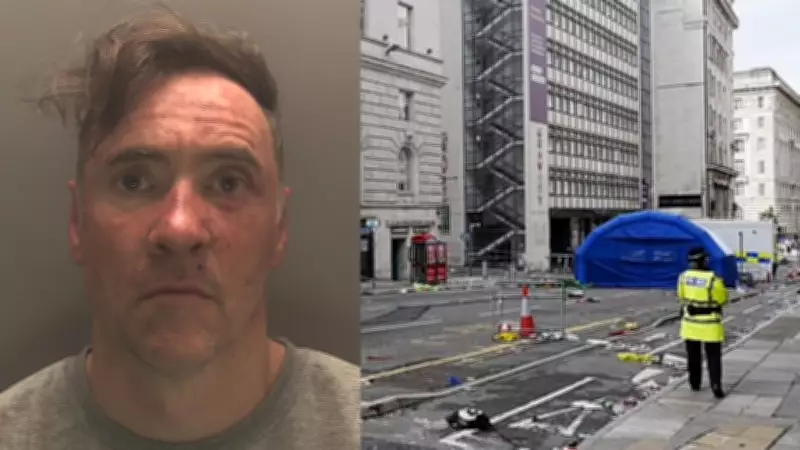
The catastrophic event occurred on May 26 during Liverpool's victory parade celebration. A Ford Galaxy vehicle, weighing nearly two tonnes and driven by former Royal Marine Paul Doyle, deliberately plowed into a crowd of jubilant fans. Prosecutors established in court that Doyle lost control of his anger and intentionally targeted the gathering. The violent impact resulted in injuries to 134 people within mere minutes. Merseyside Police later described it as "pure luck" that no fatalities occurred that day.
In December, the judicial system sentenced Doyle to 21 years and six months in prison for his actions. Now, several months following the attack, numerous victims are sharing their harrowing experiences and ongoing challenges for the first time, providing a sobering perspective on the long-term consequences of the tragedy.

Personal Accounts of Physical and Emotional Trauma
Seventy-three-year-old Stefan Dettlaf, a lifelong Liverpool supporter, suffered six broken ribs during the attack and required multiple days of hospitalization. Speaking exclusively to 5 News, Dettlaf explained his prolonged silence: "For months after the attack I could not talk about it. Even now it brings everything back. I kept seeing faces in my head and hearing people telling me I would survive."
Dettlaf described complex emotions during Doyle's court hearing, noting, "I owe him no sorrow or anything, but he looked like he was going through something. Some people think he should have got an even longer sentence, and I understand that. But at the same time it was pure luck nobody died."
However, Dettlaf expressed profound disappointment with Liverpool FC, stating, "I believe Liverpool have let us down. I did not expect anyone to visit me personally. But even a message asking how I was would have meant something. There was no offer of counselling from the club."
Feelings of Neglect and Worsening Health Conditions
Another victim, Dean Townsend, who attended the parade with his nephew and sustained three broken ribs, echoed similar sentiments of being overlooked. "I feel well and truly forgotten," Townsend confessed. The incident has exacerbated his pre-existing medical condition, as he suffers from epilepsy.
"My problems have spiraled out of control," Townsend revealed. "I'm now in counselling twice a week. Only recently have I started feeling a bit better." His account highlights how the psychological trauma from the crash has compounded physical injuries and existing health challenges, creating a multifaceted recovery process.
Liverpool FC's Official Response and Outreach Efforts
In response to these allegations, Liverpool FC provided clarification to 5 News regarding their victim support procedures. The club stated they only received contact details for approximately 30 victims and were legally restricted from directly reaching others. According to official statements, police authorities prioritized communication with those sustaining the most serious injuries and with children affected by the incident.
The football club emphasized that manager Arne Slot and several players made efforts to contact multiple victims following the tragedy. Liverpool FC further affirmed their commitment to supporting anyone impacted once their details are formally shared with the club through proper channels. This case remains one of the most disturbing incidents to occur during a football celebration in Liverpool's history, raising important questions about victim support protocols in large-scale public events.