Former Pakistan Captain Rashid Latif Reverses T20 World Cup Boycott Position
Former Pakistan cricket captain Rashid Latif has significantly altered his stance regarding a potential boycott of the upcoming T20 World Cup, stating that the window for such decisive action has now closed. However, the veteran wicketkeeper-batsman has proposed an alternative form of protest that has captured significant attention within the cricketing community.
From Complete Boycott to Targeted Protest
Latif, who previously advocated strongly for Pakistan to withdraw entirely from the tournament to challenge what he described as India's dominance over global cricket governance, now believes the opportunity for that level of protest has passed. The former captain explained that the ideal timing for a boycott was during last week's ICC meeting, when Pakistan Cricket Board could have taken immediate action following Bangladesh's controversial exclusion from the tournament.
"The time for a strike has passed," Latif stated during an appearance on the YouTube channel CaughtBehind. "Every decision has a timing. When the iron is hot, that's when you strike. That time was last week during the ICC meeting."

Alternative Proposal: Participate But Avoid India Matches
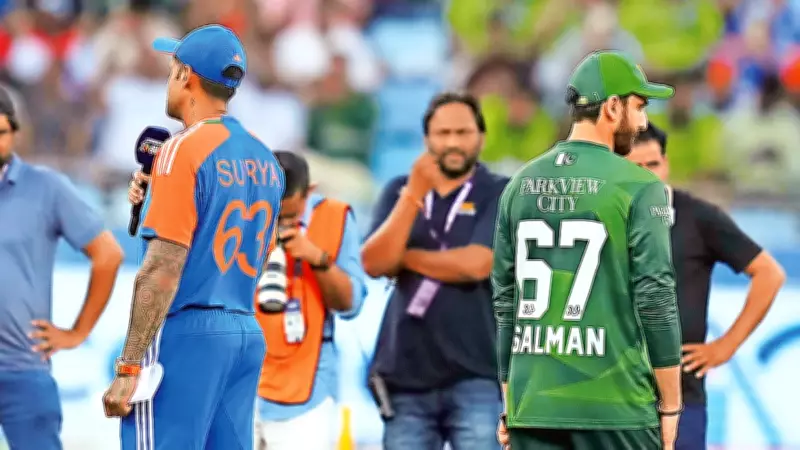
While withdrawing his call for a complete tournament boycott, Latif has suggested an alternative approach that would still register Pakistan's protest. The former captain proposed that Pakistan could participate in the T20 World Cup but refuse to play matches specifically against India, creating a targeted protest rather than a complete withdrawal.
However, Latif was clear about where the decision-making authority lies for such a dramatic move. "If the government says we won't play against India, the ICC will have to accept it," he emphasized. "If they don't, that's where the real confrontation begins." This acknowledgment highlights that such a decision would rest with the Pakistani government rather than the cricket board itself.
The Bangladesh Precedent and Pakistan's Response
The context for Latif's comments stems from recent ICC decisions regarding tournament participation. Bangladesh was replaced by Scotland in the upcoming T20 World Cup after receiving 14 votes against their participation, with the ICC citing logistical and contractual concerns. Pakistan demonstrated solidarity by voting in support of Bangladesh but ultimately accepted the governing body's decision.
Latif acknowledged Pakistan's show of support but maintained that boycotting now would lack the impact it might have had immediately following the Bangladesh decision. "We showed our support. We voted for them. That chapter is over," he stated. "If we boycott now, it won't have the same impact."
Potential Final Scenario and Current Tournament Status
When questioned about what would happen if India and Pakistan were to reach the tournament final under his proposed protest plan, Latif responded unequivocally in Urdu: "nahi khelenge" (we won't play). This clarification underscores the seriousness of his proposed approach, even in a high-stakes championship scenario.
The comments come as Pakistan Cricket Board chairman Mohsin Naqvi indicated three days ago that the board might take a principled stance similar to Bangladesh's position, though no formal boycott announcement has materialized. The T20 World Cup is proceeding with Pakistan's participation under a hybrid model that allows matches involving India to be played at neutral venues through 2027, adding another layer to the complex geopolitical dynamics surrounding these cricketing encounters.
Latif's evolving position reflects the delicate balance between sporting principles, political considerations, and practical realities in international cricket, particularly within the context of the storied India-Pakistan rivalry that continues to shape tournament dynamics and diplomatic relations within the sport.