India-Pakistan Cricket Rivalry Escalates Beyond the Field
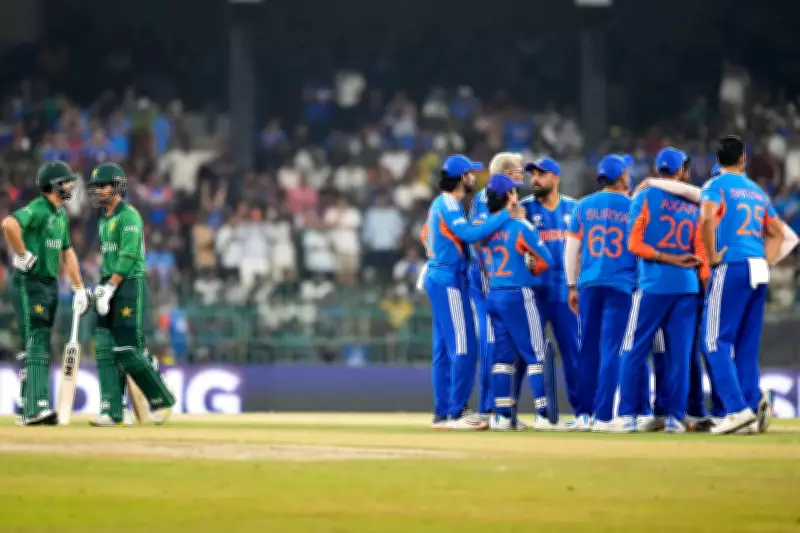
The storied cricket rivalry between India and Pakistan has reached unprecedented intensity in recent months, extending far beyond mere on-field competition. While India has maintained cricketing dominance over their neighbors, a new dimension has emerged that's capturing global attention: the deliberate avoidance of traditional post-match handshakes between players from both nations.
The Handshake Controversy Origins
The current controversy traces back to last year's Asia Cup, where Indian captain Suryakumar Yadav made the conscious decision not to shake hands with Pakistani players following their encounter. This gesture was widely interpreted as a show of respect for victims of the Pahalgam terror attack and solidarity with the Indian Army following Operation Sindoor.
While some former overseas cricketers criticized this departure from traditional sportsmanship, numerous former Indian players defended the move, emphasizing that cricket should remain the primary focus rather than ceremonial gestures.

T20 World Cup Rekindles the Debate
The issue resurfaced dramatically during the recent T20 World Cup, where captains from both sides once again bypassed the customary handshake ritual. This development prompted extensive discussion among cricket pundits and former players worldwide, highlighting how political tensions continue to influence sporting interactions between the two nations.
International Perspectives on the Rivalry
Former England cricketers recently analyzed the situation on a popular cricket podcast, offering diverse viewpoints on the India-Pakistan dynamic:
Phil Tufnell didn't mince words about the current competitive imbalance: "Dare I say it, Pakistan against India, that's a mismatch, isn't it? India look far stronger in every department right now."
Michael Vaughan observed psychological dimensions to the rivalry: "Every time Pakistan play India they look intimidated by India on a cricket field. The whole handshake situation is sad - not shaking hands on a cricket field diminishes the spirit of the game."
Alastair Cook presented a contrasting perspective, questioning whether the visible tension reflects genuine animosity or performative display: "But aren't they talking behind closed doors? I read somewhere that everyone's just chatting away. It seems like it's only for show, isn't it? On the actual field, they're not shaking hands, but then behind closed doors, they're all talking and are all fine."
Broader Implications for Cricket Diplomacy
This handshake controversy represents more than just a breach of cricketing etiquette. It symbolizes how geopolitical tensions between India and Pakistan continue to manifest in sporting arenas, challenging traditional notions of sportsmanship and cricket diplomacy. The debate raises fundamental questions about where competitive spirit ends and political statement begins in international sports.
As both nations prepare for future encounters, the cricket world watches closely to see whether traditional post-match courtesies will be restored or whether this new normal becomes permanently embedded in one of sports' most passionate rivalries.