Morocco's 2030 World Cup Prep Sparks Outcry Over Stray Dog Culling
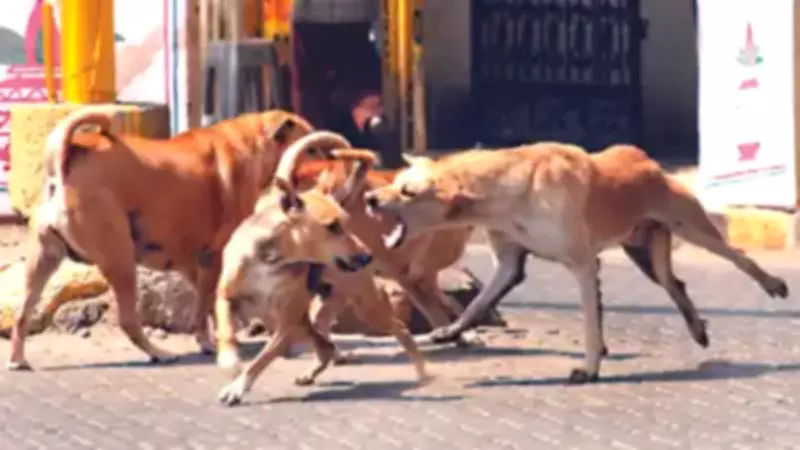
Morocco is under intense scrutiny following reports that thousands of stray dogs are being killed as the country prepares to co-host the 2030 FIFA World Cup. Animal welfare organizations allege that the culling is directly tied to efforts to present cleaner streets before international visitors arrive for the prestigious tournament.
Tourism and Public Health Clash in Urban Areas
Morocco will host the World Cup alongside Spain and Portugal, with Uruguay, Paraguay, and Argentina staging opening matches. Local officials describe the measures as necessary for public health management, citing risks such as rabies. However, campaigners have documented widespread shootings and poisonings in several cities, including Marrakech and Ifrane.
CNN has reported verified footage of dog culling in urban areas, highlighting the grim reality on the ground. According to Omar Jaïd, President of the Provincial Tourism Council of Ifrane, the city has begun cleaning streets of stray dogs as part of preparations for the 2030 FIFA World Cup. Ifrane is approximately 64 kilometers from Fez Stadium, a proposed venue expected to host teams and visitors.

Jaïd claimed that animals are rounded up and relocated to dispensaries for vaccination, describing himself as a dog lover. Yet, evidence suggests a darker side to these operations.
Evidence of Lethal Measures and Public Concern
The Athletic has obtained proof that a local authority in a Moroccan city purchased 1,000 rounds of ammunition in September 2025 to deal with its large stray dog population. Workers involved in cleanups in the same city expressed fear of being hit by stray bullets and described emotional distress from witnessing these events.
Parents are particularly worried about the psychological impact on children, fearing that exposure to such violence could normalize it. Mohammed Roudani of Morocco's Ministry of Interior told CNN that stray dogs pose a serious public health risk, with around 100,000 people bitten each year, and children under 15 accounting for roughly 40% of these incidents.
Legal Grey Area and Humane Alternatives
In 2019, Morocco introduced a Trap Neuter Vaccinate Release (TNVR) program aimed at controlling the stray population more humanely. Roudani stated that the national government supports this approach, but municipalities are responsible for implementation. He highlighted a legal vacuum, noting there is no specific law banning the killing of stray dogs.
Animal groups report that some cities still use poisoning methods, including strychnine, which is banned in many countries due to the extreme suffering it causes. This raises questions about the effectiveness and ethics of current practices.
FIFA's Role and Ongoing Pressure
FIFA has been aware of concerns since at least 2023, when the European Link Coalition met senior officials to present evidence of increased culling linked to the World Cup. In April 2024, FIFA Human Rights Advisor Marta Piazza said the organization valued the input and was engaging with Morocco to ensure alignment with bidding requirements.
The coalition claims it has not received further updates, though FIFA told CNN it remains in contact with animal welfare organizations. Morocco's government says it is taking steps to regulate practices, but reports of culling continue to surface, leaving the situation unresolved.
The issue sits at the intersection of tourism planning, rabies control policy, and a legal grey area, sparking a heated debate between public health priorities and animal welfare concerns as Morocco gears up for the global spotlight.