Rahul Dravid Analyzes India's T20 World Cup Prospects and Rohit Sharma's Transformative Leadership
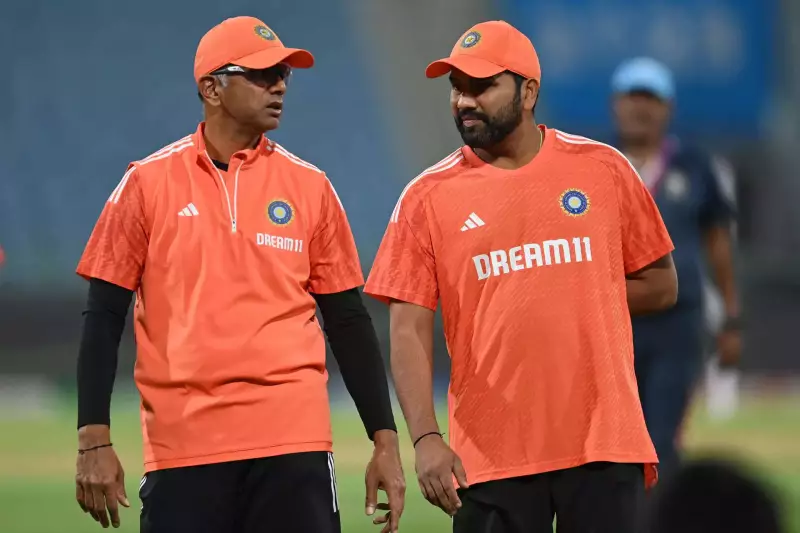
In a candid discussion during the launch of journalist R Kaushik's book on Rohit Sharma, Indian cricket icon Rahul Dravid opened up about the emotional scars from India's early exit in the 2007 World Cup, while expressing confidence in the current team's ability to defend their T20 World Cup title next month. The former captain and coach shared insights that bridge past disappointments with present optimism.
From Heartbreak to Favouritism: India's T20 Dominance
Dravid, who experienced the crushing disappointment of India's first-round elimination in the 2007 Caribbean World Cup as captain, acknowledged that those memories remain as vivid as the 2003 final defeat. However, his perspective has evolved significantly since then, particularly in his role as head coach during India's recent successes.
"India are playing T20 cricket at a completely different level compared to most international teams," Dravid emphasized. "Their remarkable 80% success rate over the past few years demonstrates exceptional consistency in a format known for its unpredictability and dramatic fluctuations."

The cricket legend believes India will enter the upcoming tournament as clear favourites, though he cautioned against complacency. "They should comfortably reach the semifinals based on current form and performance metrics," Dravid stated. "But as I've learned through bitter experience, tournament cricket ultimately comes down to which team performs better on the specific day. A single extraordinary individual performance can completely alter the expected outcome."
Rohit Sharma's Pivotal Role in India's White-Ball Revolution
Dravid reserved special praise for Rohit Sharma's leadership during India's white-ball cricket transformation. He credited the former captain with spearheading a fundamental shift in the team's approach and mentality.
"There was a growing recognition that India needed to evolve its white-ball strategy to keep pace with changing global trends," Dravid explained. "Run rates were escalating across international cricket, and teams were embracing greater risk-taking. Rohit demonstrated exceptional leadership by personally embracing this challenge rather than delegating it to others."
The former coach highlighted how Sharma's selfless approach facilitated the team's transition. "When your captain publicly commits to prioritizing team success over personal statistics, it creates a powerful cultural shift," Dravid noted. "Rohit's willingness to potentially sacrifice his batting average for the team's benefit made it significantly easier to implement this philosophy throughout the squad."
Dravid also commended Sharma's seamless adaptation to leadership responsibilities. "Rohit managed the transition from player to captain with remarkable grace," he observed. "The team never perceived him as having changed fundamentally, which represents a rare and valuable quality in leadership. This consistency helped maintain team cohesion during a period of strategic evolution."
World Test Championship's Impact on Pitch Preparation
Addressing contemporary debates about pitch quality in Test cricket, Dravid connected the increasing prevalence of result-oriented surfaces to the competitive structure of the World Test Championship.
"Every Test match now carries significant weight in the World Test Championship standings," Dravid pointed out. "This competitive framework has fundamentally altered how teams approach home Test series. Previously, a 1-0 or 2-0 outcome in a three-match series might have been acceptable, with draws being a regular occurrence. Today, the pressure on home teams to secure victories in every match has intensified dramatically."
The cricket veteran's analysis comes amid renewed scrutiny of pitch preparation following Australia's recent Ashes series victory, which concluded in just eleven playing days across five Tests. Dravid's comments provide context for understanding how global tournament structures are influencing playing conditions and strategic approaches in contemporary cricket.

As India prepares for their T20 World Cup defense, Dravid's reflections offer valuable perspective on the team's journey from past disappointments to current dominance, while highlighting the strategic factors shaping modern cricket at both the international and domestic levels.