Shahid Afridi Stands Firm Behind Pakistan's Decision to Boycott T20 World Cup Match Against India
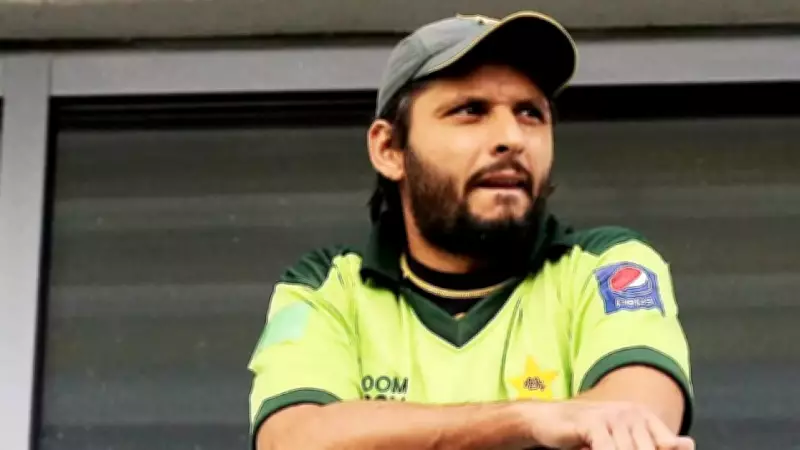
Former Pakistan cricket star Shahid Afridi has publicly expressed his support for his country's controversial decision to boycott the highly anticipated T20 World Cup match against India scheduled for February 15, 2026. While acknowledging the regrettable nature of the situation, Afridi emphasized that this moment presents a crucial test for the International Cricket Council's commitment to fairness and impartiality.
A Defining Moment for Cricket's Governing Body
In a significant statement posted on social media platform X, Afridi articulated his perspective on the unfolding cricket diplomacy crisis. "I've always believed cricket can open doors when politics closes them," the former all-rounder wrote. "It's regrettable that Pakistan won't play India at the #T20WorldCup, but I stand behind my government's decision. This is the moment for @ICC to lead and prove through decisions, not statements, that it is impartial, independent and fair to every member."
Afridi's comments highlight the growing tension between national political considerations and the spirit of international sporting competition, placing the ICC squarely in the spotlight to demonstrate its governance principles through concrete actions rather than mere declarations.

Pakistan's Decision and Its Wider Implications
The Pakistan government's announcement on Sunday created shockwaves throughout the cricketing world. An official post on X (formerly Twitter) stated clearly: "The Government of the Islamic Republic of Pakistan grants approval to the Pakistan Cricket Team to participate in the ICC World T20 2026; however, the Pakistan Cricket Team shall not take the field in the match scheduled on 15th February against India."
This unprecedented move is being interpreted by many cricket analysts as a gesture of solidarity with Bangladesh, who faced exclusion from tournament participation after refusing to play matches in India citing security concerns. The parallel situations have created a complex diplomatic scenario within international cricket administration.
ICC's Response and Concerns About Selective Participation
The International Cricket Council has responded to Pakistan's announcement with both concern and a clear warning about potential consequences. In an official press release, the global cricket governing body stated: "The ICC hopes that the PCB will consider the significant and long-term implications for cricket in its own country as this is likely to impact the global cricket ecosystem, which it is itself a member and beneficiary of."
Furthermore, the ICC emphasized the fundamental principle of equal participation in global sporting events, noting: "This position of selective participation is difficult to reconcile with the fundamental premise of a global sporting event where all qualified teams are expected to compete on equal terms per the event schedule."
Interestingly, the ICC has also clarified that it has received no official confirmation from Pakistan regarding this boycott decision, adding another layer of uncertainty to the already complicated situation.
The Broader Context of Cricket Diplomacy
This development represents one of the most significant challenges to cricket's governing structure in recent years. The boycott decision raises important questions about:
- The relationship between national governments and sporting bodies
- The ICC's ability to maintain tournament integrity when political considerations intervene
- The precedent this sets for future international cricket competitions
- The impact on fans who eagerly anticipate high-profile matches like India-Pakistan encounters
As the cricketing world awaits further developments, Shahid Afridi's call for the ICC to demonstrate its impartiality through decisive action rather than statements has resonated with many observers who believe this moment could define the future of cricket governance and international sporting relations.