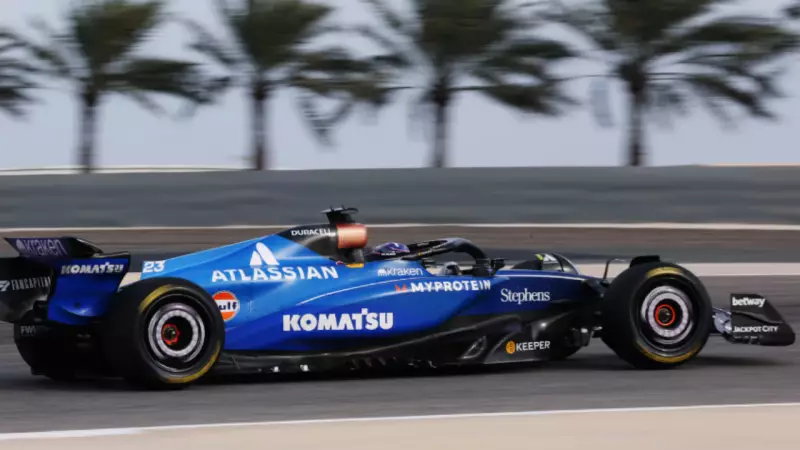
Williams Formula 1 team's preparations for the 2026 season have encountered a significant obstacle following reports that its new chassis, the FW48, has failed numerous mandatory FIA crash tests. This development has forced the Grove-based outfit to postpone its scheduled on-track running, resulting in the loss of valuable early development mileage during a critical phase of car development.
FW48 Project Comes Under Intense Scrutiny
The failed safety inspections have placed the entire FW48 project under close examination from the Formula 1 paddock. While delays during initial development phases are not uncommon in the high-stakes world of Formula 1, failure to meet the rigorous safety standards established by the FIA has created an unexpected stall in the process. For a team that has been working to maintain its upward trajectory in recent seasons, this scenario represents an unwanted distraction at the very beginning of its 2026 campaign.
Crash Test Failures Expose Early FW48 Weaknesses
Crash testing represents one of the most crucial phases in the approval process for any Formula 1 car. During these tests, the primary structural components of the vehicle—including the nose section and survival cell—are evaluated against exceptionally high safety standards. According to reports, the Williams FW48 allegedly failed multiple aspects of these critical assessments, preventing the team from proceeding with planned on-track activities.

This failure specifically forced Williams to cancel a private testing session that had been scheduled to take place in Barcelona. The team has not publicly disclosed which specific elements failed to meet FIA requirements, but indications suggest that structural components in the front section of the chassis were not in compliance with regulations.
Complex Remediation Process Ahead
Addressing such failures typically involves a complex and time-consuming process that includes:
- Redesigning the non-compliant components
- Manufacturing replacement parts
- Conducting subsequent retesting to verify compliance
This remediation work demands substantial resources and can significantly impact development timelines. Additionally, there are suggestions that weight targets may have contributed to the FW48's problems, with the chassis possibly exceeding minimum weight limits. If confirmed, this would further complicate development efforts as engineers attempt to balance structural integrity with performance efficiency—a constant challenge in Formula 1 design.
Driver Preparations Disrupted
The implications extend beyond factory operations to directly affect Williams drivers Carlos Sainz and Alex Albon. Both drivers, preparing for their 2026 campaigns, will now have less track time available compared to their rivals from other teams.
Early testing sessions play a vital role in helping drivers acclimate to new car characteristics, validating simulator data, and optimizing race procedures. The absence of these valuable sessions places additional pressure on upcoming test dates and compresses the available preparation window.
Increased Pressure on Technical Direction
Team principal James Vowles has consistently emphasized the importance of focusing on long-term gains rather than short-term results. However, the current situation inevitably increases pressure on Williams' technical department. Under modern Formula 1 regulations that strictly limit private testing opportunities, each lost development day carries significant consequences for competitive readiness.
The team now faces the dual challenge of addressing safety compliance issues while minimizing disruption to its overall development program—a balancing act that will test both technical capabilities and strategic planning as the 2026 season approaches.