Houston Rockets Emerge as Frontrunners in Darius Garland Trade Talks
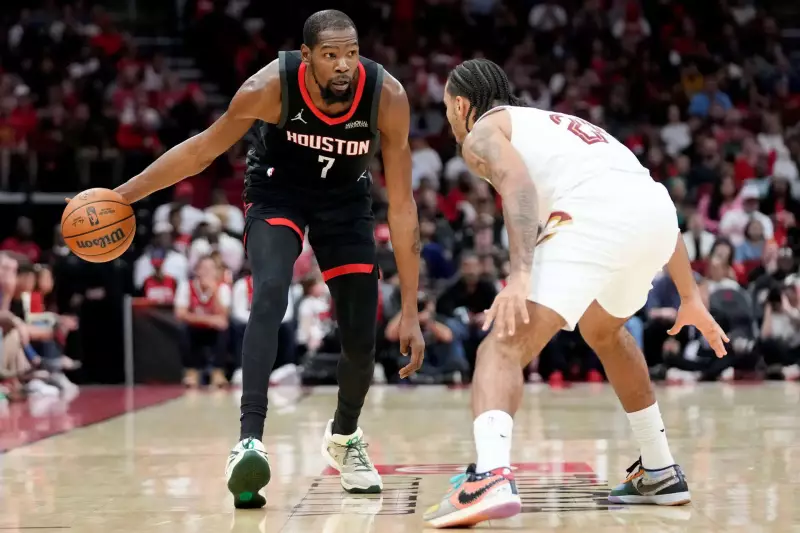
The Houston Rockets continue to dominate NBA trade discussions as franchises across the league strategize their next significant roster moves. The latest development centers on Cleveland Cavaliers point guard Darius Garland, with speculation mounting about a potential partnership alongside superstar Kevin Durant in Houston's backcourt.
Garland's History in Durant Trade Conversations
This isn't the first time Garland's name has surfaced in connection with Durant. Even before Durant's arrival in Houston, Cleveland had explored trade scenarios that would have included Garland as part of larger package deals. Now, with the Rockets determined to accelerate their competitive timeline, league insiders believe Houston might revisit this option, particularly as they seek a reliable, traditional point guard to orchestrate their offensive schemes.
Why Garland Makes Strategic Sense for Houston
While Kevin Durant remains one of basketball's most consistent scoring threats, many of his previous teams have struggled to provide him with stable playmaking support. Darius Garland presents an immediate solution to this challenge. The young guard excels at directing offensive sets, creating opportunities for teammates, and contributing his own scoring without requiring constant ball dominance.
At just 25 years old, Garland also aligns more closely with Houston's developmental timeline compared to some current roster options. A potential Garland-Durant combination would give the Rockets a composed ball handler capable of keeping defenses honest while Durant focuses on his elite scoring responsibilities.
Proposed Trade Framework and Assets
One frequently discussed trade structure would involve Garland moving to Houston alongside matching contracts like De'Andre Hunter and a future first-round draft pick from Cleveland. In return, the Cavaliers would acquire Jalen Green, Dillon Brooks, and the No. 10 selection in the 2025 NBA Draft.
For Cleveland, this arrangement alleviates second-apron luxury tax pressures while bringing in rotational players and valuable draft capital. For Houston, it adds an established point guard without requiring a complete roster overhaul.
Cleveland's Motivations for Considering the Deal
The Cavaliers' playoff elimination against the Indiana Pacers, despite finishing first in the Eastern Conference, raised legitimate questions about backcourt compatibility alongside Donovan Mitchell. Trading Garland would allow Cleveland to rebalance their roster around Mitchell and emerging big man Evan Mobley.
Jalen Green offers significant scoring potential, Dillon Brooks provides perimeter defensive toughness, and the draft pick grants Cleveland additional flexibility for future roster construction.
Statistical Comparison of Key Players
Key Performance Metrics from Last Season:
- Darius Garland: 20.6 PPG, 6.7 APG, 58.2% TS, 27.1% USG
- Kevin Durant: 26.8 PPG, 5.0 APG, 63.1% TS, 29.5% USG
- Jalen Green: 21.0 PPG, 3.4 APG, 56.4% TS, 28.3% USG
Evaluating Potential Outcomes
For Houston, the advantages appear substantial. Garland would provide the organizational structure and playmaking that Durant-led teams have historically required. The primary concerns involve Garland's injury history and the potential loss of Jalen Green's long-term development trajectory.
Cleveland would gain roster depth, salary cap flexibility, and future assets, but at the cost of parting with their most natural floor general. Unless Jalen Green demonstrates significant improvement, the trade balance seems to favor Houston, especially with Durant continuing to perform at an elite level.