Sohan Tarkar's Inspiring Comeback: A Mother's Wisdom Fuels Return to Ice Skating
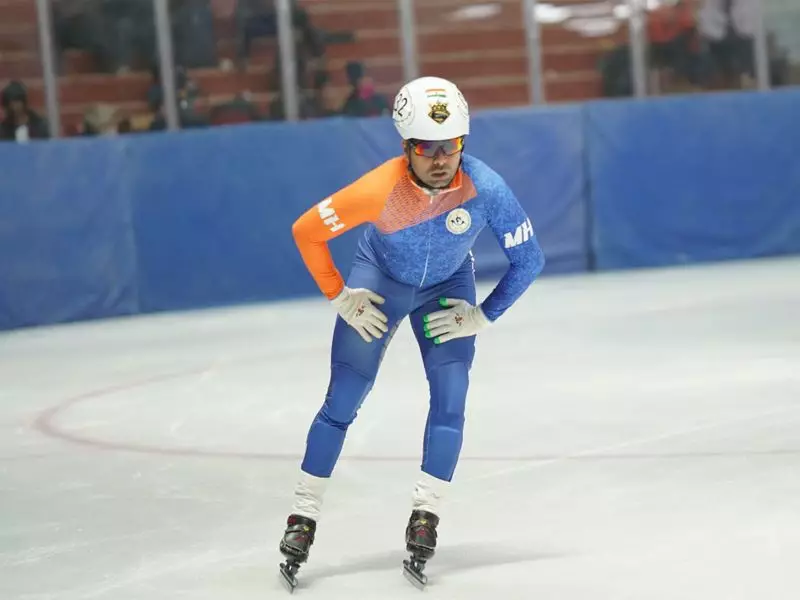
In a heartfelt revelation that underscores the profound impact of familial support in sports, Indian ice skater Sohan Tarkar has opened up about his battle with depression and how his mother's advice played a pivotal role in his journey back to competitive ice skating. This story not only highlights the challenges athletes face beyond physical injuries but also serves as a beacon of hope for those struggling with mental health issues in the demanding world of sports.
The Struggle with Depression and Its Impact on Athletic Performance
Sohan Tarkar, a talented ice skater who had shown immense promise in his early career, found himself grappling with severe depression that threatened to derail his aspirations. The intense pressure of competition, coupled with personal setbacks, led to a period where he felt overwhelmed and disconnected from the sport he loved. This mental health crisis significantly affected his training routines, performance on the ice, and overall motivation, pushing him to consider stepping away from competitive skating altogether.
Depression, often stigmatized in athletic circles, can manifest in various ways, including loss of interest, fatigue, and difficulty concentrating—all of which are detrimental to an athlete's success. For Tarkar, these symptoms created a vicious cycle where his struggles on the ice exacerbated his mental health issues, making it increasingly challenging to maintain his professional trajectory.
The Turning Point: A Mother's Guidance and Unwavering Support
Amidst this turmoil, it was the sage advice and unwavering support of his mother that became the cornerstone of Tarkar's recovery. She encouraged him to prioritize his mental well-being over immediate competitive goals, emphasizing the importance of self-care and patience. Her words resonated deeply, reminding him that true strength lies not just in physical prowess but in the resilience to overcome internal battles.
Following his mother's counsel, Tarkar took proactive steps to address his depression. He sought professional help, engaged in therapy, and adopted mindfulness practices to manage stress and anxiety. This holistic approach allowed him to gradually rebuild his confidence and reconnect with his passion for ice skating. His mother's role extended beyond mere advice; she provided emotional stability and a safe space for him to express his vulnerabilities, which proved instrumental in his healing process.
The Road to Recovery and Triumphant Return to Competition
With renewed mental clarity and determination, Sohan Tarkar embarked on a carefully structured comeback. He modified his training regimen to include mental health exercises, such as meditation and visualization techniques, alongside physical conditioning. This balanced approach helped him regain his form and technique on the ice, while also fostering a healthier mindset towards competition.
His return to competitive ice skating has been marked by notable achievements and a newfound appreciation for the sport. Tarkar's story is a testament to the power of perseverance and the critical role that emotional support systems play in an athlete's life. By sharing his experience, he aims to destigmatize mental health discussions in sports and inspire others to seek help without shame.
Broader Implications for Athletes and Mental Health Awareness
Sohan Tarkar's journey sheds light on the often-overlooked aspect of mental health in athletics. It underscores the need for:
- Increased awareness and education about mental health issues among athletes, coaches, and sports organizations.
- Accessible support systems, including counseling and peer networks, to help athletes navigate psychological challenges.
- Cultural shifts that encourage open conversations about mental well-being, reducing stigma and promoting holistic health in sports.
As Tarkar continues to excel in ice skating, his story serves as a powerful reminder that overcoming adversity, whether physical or mental, can lead to greater resilience and success. It highlights how a mother's simple yet profound advice can ignite a transformative journey, not just in sports but in life itself.