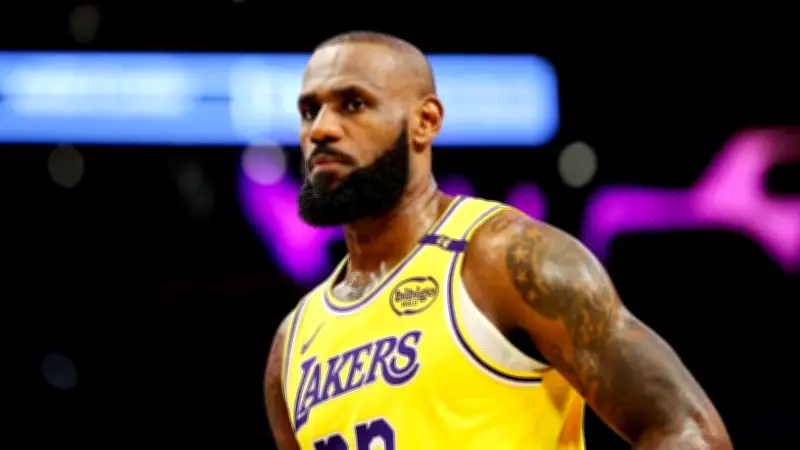
LeBron James vs Ron Harper: NBA Era Debate Reignites Over Physical Demands
The perennial NBA era debate has flared up once again following LeBron James' candid remarks about the contrasting physical burdens faced by players across different generations. During a recent episode of the Mind The Game podcast, James opened up about how today's league presents unique challenges, sparking widespread discussion across basketball circles.
LeBron James Explains Modern NBA's Physical Toll
During his podcast appearance, LeBron James addressed ongoing criticism surrounding the league's 65-game rule and broader questions about player availability. The NBA superstar focused specifically on how the evolution of playing style has fundamentally changed the physical cost of completing an 82-game season.
"I want people to understand that playing 82 games in the 80s and 90s is not the same as playing 82 games in the 2020s. It's just not," James explained emphatically. "The way we play, the level of pace, the speed at which we are playing, that is a different game now. A lot of soft tissue injuries are happening now because of it."
The four-time NBA champion elaborated on how strategic spacing has transformed injury patterns compared to earlier decades. "When I first came in the league, some of the biggest concern for injuries was like a high ankle sprain," James recalled. "You was afraid to step on somebody's ankle because there were just four or five guys sitting in the paint."
James contrasted this with today's game: "Now that's really much, you don't see that. The game is so spread open. There's so much pace. Now you see the new high ankle sprain is the calf."
Despite highlighting these challenges, LeBron emphasized that modern players remain committed to competing nightly. "I just want the fans to understand the game is a little different and as NBA players we definitely want to be out there as much as possible," he stated.
Ron Harper's Blunt Response Defends Jordan Era
As social media buzzed with reactions to LeBron's explanation of pace, injuries, and the modern schedule, former Lakers champion Ron Harper offered a strikingly direct rebuttal. The five-time NBA champion, who experienced both LeBron and Jordan's eras firsthand, responded on social media with a four-word message that cut straight to the heart of the debate.
"These excuses is stupid."
Harper's perspective carries significant weight given his unique career trajectory. He won three championships with the Chicago Bulls alongside Michael Jordan during the 1990s, then joined the Los Angeles Lakers at age 36, starting 78 of 80 regular-season games on a championship-winning roster. Remarkably, he started every playoff game that same year.
From Harper's viewpoint, Jordan's era demanded exceptional durability without accommodation. Michael Jordan's legendary career statistics support this perspective:
- Played all 82 games nine separate times
- Exceeded 80 games in 11 different seasons
- Rarely missed extended time during his 15-year career
Harper's response has reopened familiar conversations about how greatness should be measured across generations, particularly regarding durability, physical demands, and the evolving nature of professional basketball.
The Broader Context of NBA Evolution
This exchange between LeBron James and Ron Harper highlights several key aspects of the ongoing NBA era debate:
- Pace and Strategy Evolution: Modern basketball emphasizes spacing, three-point shooting, and constant movement, creating different physical stresses than the post-heavy game of previous decades.
- Injury Pattern Shifts: As LeBron noted, injury types have evolved from traditional ankle sprains to more soft tissue injuries related to speed and acceleration.
- Schedule Demands: While the number of games remains similar, travel, media obligations, and off-court commitments have expanded significantly.
- Medical Advancements: Today's players benefit from advanced sports science, nutrition, and recovery methods unavailable to previous generations.
The debate ultimately circles back to fundamental questions about comparing athletic achievements across different basketball eras. While LeBron James emphasizes the unique challenges of modern basketball, veterans like Ron Harper point to the uncompromising demands and remarkable durability displayed by legends of previous generations.
This discussion continues to engage fans, analysts, and players alike, reflecting basketball's ongoing evolution and the natural human tendency to compare greatness across different periods of the sport's history.