Aaron Judge Defends Team USA's Professional Approach After World Baseball Classic Final
The 2026 World Baseball Classic concluded with Team USA suffering a narrow 3-2 defeat against Venezuela in the championship game. However, the immediate aftermath saw attention shift dramatically from the final score to the perceived demeanor of the American squad throughout the tournament.
The "No-Fun" Narrative Takes Hold
Across television broadcasts and social media platforms, a consistent critique emerged: Team USA appeared too corporate, too reserved, and insufficiently expressive during their World Baseball Classic campaign. This perception stood in stark contrast to other national teams like Mexico, Japan, Venezuela, and the Dominican Republic, who displayed visible emotion through exuberant celebrations, energetic dugout presence, and active crowd engagement.
The narrative gained significant traction through viral moments. A brief clubhouse speech delivered by team captain Aaron Judge was described by some observers as "boring" or "flat." Postgame interviews from American players frequently emphasized professionalism over raw emotion. When the United States ultimately fell short in the final against Venezuela, the criticism crystallized around the idea that the team lacked visible joy and passion.

Aaron Judge's Direct Response to Criticism
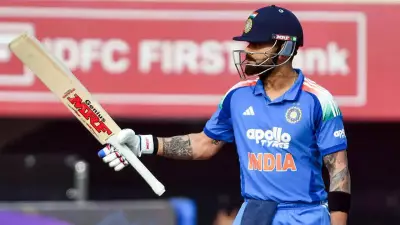
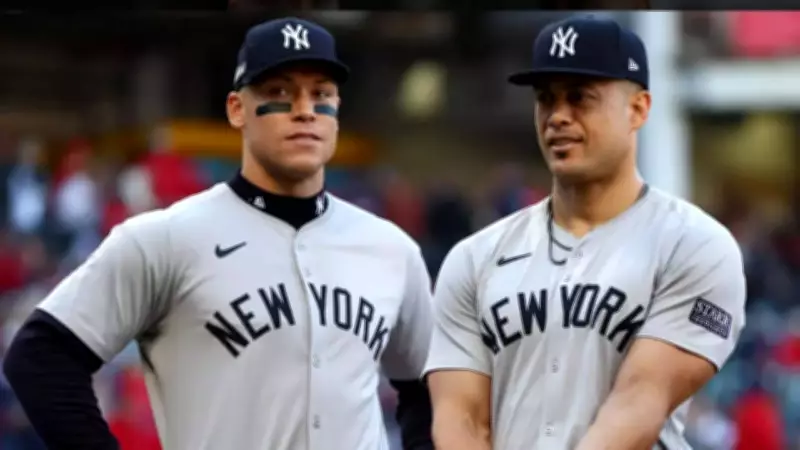
As the team's captain and most recognizable figure, Aaron Judge became the focal point for this criticism. In the days following the championship game, Judge addressed the narrative directly, firmly rejecting the notion that Team USA lacked enjoyment or internal energy.
Judge articulated a crucial distinction between outward expression and internal drive. "Every culture has its own way of expressing itself," he stated, while expressing respect for the demonstrative styles of teams like Mexico, Great Britain, and the Dominican Republic.
He also challenged the assumption that visible celebration is the sole indicator of enjoyment. "I think it's just tough to do for 162 games," Judge noted, referencing how Major League Baseball players are conditioned by the grueling professional season. He explained that the condensed, high-intensity schedule of the World Baseball Classic naturally fostered a more focused and execution-oriented approach from the American team, rather than indicating any lack of engagement.
Behind-the-Scenes Reality Versus Broadcast Perception
Aaron Judge argued forcefully that the public perception formed through television broadcasts did not accurately reflect the atmosphere within the Team USA clubhouse. Behind-the-scenes footage revealed a different dynamic entirely.
In one notable pregame moment before facing Canada, Judge addressed his teammates with a message that blended gravity with perspective: "We're in the big leagues. We're representing our country. All to play a kid's game." Other clips captured players sharing laughter, engaging in lighthearted joking, and reacting authentically to unusual in-game situations.
These scenes depicted a more typical Major League Baseball clubhouse environment—less performative for cameras, but still actively connected and engaged. Judge's position remains that what occurs off-camera often defines a team's character more accurately than what is selectively shown during televised games.
Tournament Context and Performance Factors
The specific structure of the 2026 World Baseball Classic significantly influenced Team USA's overall tone and approach. With the international tournament compressed into a tight competitive window, players had to carefully balance their commitments to Team USA with ongoing responsibilities to their MLB clubs. This logistical reality naturally steered the American approach toward execution, consistency, and professional focus.
From a performance standpoint, Team USA's offense encountered difficulties late in the tournament, managing only four total runs across the semifinal and final games. Conversely, the pitching staff delivered impressive results, posting a combined 3.00 ERA with 83 strikeouts. Despite these tangible statistics, much of the post-tournament discourse focused disproportionately on perceived energy levels rather than detailed performance analysis.

Judge's Leadership Philosophy and Future International Outlook
Aaron Judge described his leadership role on Team USA as centered on maintaining focus and accountability, rather than orchestrating outward emotional displays. "We're not trying to be somebody else," he asserted. "We're trying to be the best version of ourselves, and that might not always look like the most entertaining version."
He also spoke to the profound personal significance of representing the United States, characterizing the 2026 World Baseball Classic as a missed championship opportunity, especially poignant given his absence from the 2017 team. Looking forward, Judge expressed clear interest in returning for future international tournaments, including the next World Baseball Classic and the potential opportunity to compete in the 2028 Olympic Games.
The broader debate about expression versus professionalism in international sports remains unresolved. Aaron Judge's stance, however, is unequivocal: Team USA did not lack fun, passion, or pride—they simply expressed these qualities in a manner different from audience expectations, rooted in their professional culture and tournament circumstances.