Pakistan Cricket Board Confronts T20 World Cup Performance and India Record Debate
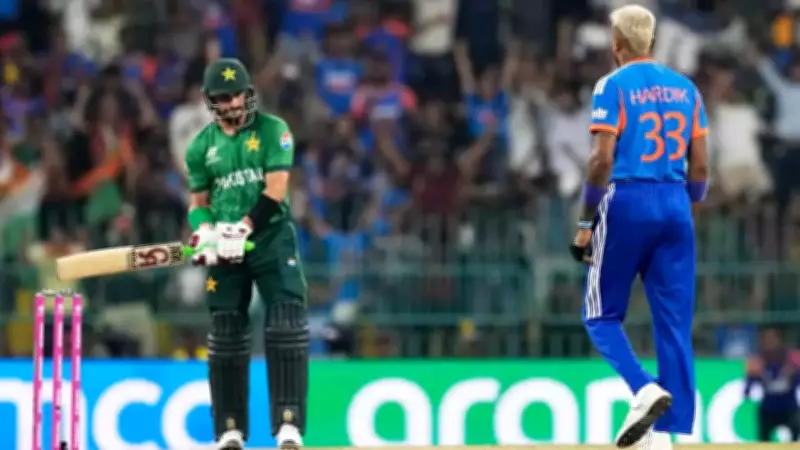
Officials from the Pakistan Cricket Board (PCB) conducted a significant press conference on Saturday to openly discuss the national team's performance in the recent T20 World Cup, where India ultimately claimed the championship title. The session featured prominent former players and selectors who addressed both on-field results and the persistent narrative surrounding Pakistan's record against their arch-rivals in global tournaments.
Selector Aaqib Javed Calls for Moving Beyond India Excuse
Speaking alongside former Pakistan captains Misbah-ul-Haq, Sarfaraz Ahmed, and Asad Shafiq, chief selector Aaqib Javed delivered a pointed message about the team's mindset. "Not being able to beat India in the World Cup is not an excuse," Javed stated emphatically. "The result there stands at 8–0 in ODI World Cups, and even the world's best captains have played from 1975 to 2026, so we must set that aside."
Javed provided context for Pakistan's T20 World Cup campaign, noting that "in the Super 8 stage, one match was washed out due to rain, and we lost only one match—nothing else happened." He defended the team's performance against Sri Lanka, suggesting that "winning by that margin wasn't achievable." The selector emphasized that Pakistan "were eliminated only on net run rate" and argued that making this "such a huge issue is too much."

"It's a big issue, but not so big that our cricket is destroyed or that we can't compete anywhere in the world," Javed concluded, urging a more balanced perspective on the team's capabilities and challenges.
Shadab Khan's Controversial Remarks Resurface
The press conference discussion inevitably brought back earlier controversy involving Pakistan all-rounder Shadab Khan. During the tournament, Shadab had responded strongly to criticism from former players following Pakistan's defeat to India in Colombo. When questioned about comments from ex-cricketers like Shahid Afridi and Mohammad Yousuf, Shadab pointed out that their teams had never beaten India in World Cups, unlike Pakistan's 2021 T20 World Cup victory over India—a match in which Shadab himself participated.
"Former cricketers have their own opinions," Shadab had remarked. "They were legends, but even they could not achieve what we have. We have beaten India in a World Cup." These comments were perceived by many as showing disrespect toward past players, including Shadab's own father-in-law, former spinner Saqlain Mushtaq.
Saqlain Mushtaq Expresses Disappointment
Saqlain Mushtaq, a respected former Pakistan cricketer, publicly expressed his disappointment with Shadab's remarks during a Pakistani television show. "Those were unwanted comments," Saqlain stated. "Most of the players had played with me. In fact, I am also one of them who had not won an ICC event, but we had won several big matches for Pakistan, Tests and ODIs."
This family dimension added a personal layer to the professional debate, highlighting how cricket discussions in Pakistan often extend beyond mere statistics to touch relationships and legacies within the close-knit cricketing community.
Broader Implications for Pakistan Cricket
The PCB press conference revealed several ongoing challenges facing Pakistan cricket:

- Psychological Barrier: The team continues to grapple with the psychological impact of their World Cup record against India, which selectors are now explicitly telling players to move beyond.
- Generational Divide: Tensions between current and former players have surfaced publicly, with differing perspectives on what constitutes success and appropriate criticism.
- Performance Evaluation: Officials are attempting to contextualize tournament exits, emphasizing narrow margins like net run rate rather than fundamental flaws.
- Public Perception Management: The PCB is actively working to shape narrative around the team's capabilities and future prospects.
As Pakistan cricket navigates this period of reflection and controversy, the discussions from Saturday's press conference highlight the complex interplay between historical records, current performance, generational perspectives, and public expectations that define the sport in one of cricket's most passionate nations.