West Asia Crisis Raises Alarms Over Helium Supply for Bengaluru Hospitals
Hospitals in Bengaluru are growing increasingly wary of potential disruptions in helium supply, a critical resource for medical operations, due to the ongoing crisis in West Asia. This situation has sparked concerns among healthcare providers about the impact on essential equipment and patient services.
Critical Dependence on Helium in Medical Settings
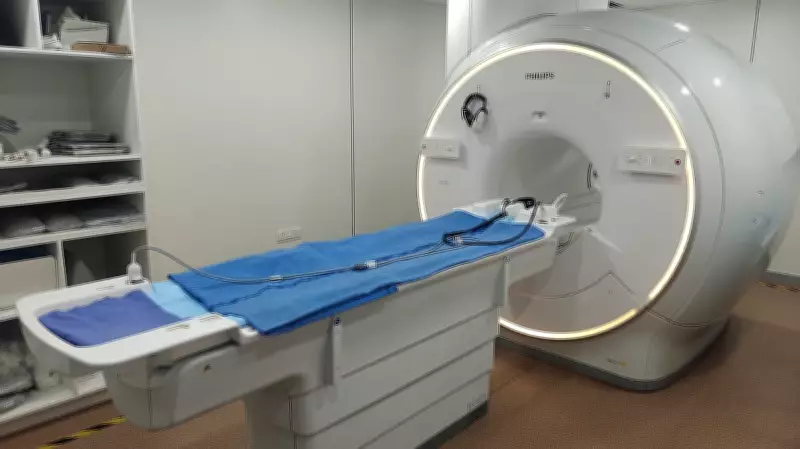
Helium plays a vital role in modern healthcare, particularly in cooling superconducting magnets used in Magnetic Resonance Imaging (MRI) machines. Without a stable helium supply, these machines cannot function, potentially delaying diagnoses and treatments for patients. Other medical applications, such as in respiratory therapies and certain surgical procedures, also rely on this non-renewable gas.
Supply Chain Vulnerabilities Exposed
The crisis in West Asia, a key region for global helium production and distribution, has highlighted the fragility of supply chains. Hospitals in Bengaluru, which depend on imports for their helium needs, are now assessing their inventory levels and exploring contingency plans. Medical administrators report that any prolonged disruption could lead to:

- Operational halts for MRI and other imaging equipment.
- Increased costs for alternative cooling methods or sourcing.
- Potential delays in critical medical procedures and patient care.
Proactive Measures and Industry Response
In response to these threats, hospitals are taking proactive steps to mitigate risks. This includes:
- Stockpiling helium reserves to buffer against short-term shortages.
- Engaging with suppliers to secure alternative routes and sources.
- Investigating technologies that reduce helium dependency in medical equipment.
Industry experts emphasize the need for long-term strategies, such as developing domestic helium production capabilities in India or investing in helium recycling systems within healthcare facilities.
Broader Implications for Healthcare Infrastructure
The potential helium shortage underscores broader challenges in India's healthcare infrastructure, including reliance on international supply chains for essential resources. Policymakers and healthcare leaders are urged to address these vulnerabilities to ensure resilience in the face of global crises. The situation in Bengaluru serves as a cautionary tale for hospitals nationwide, prompting calls for:
- Enhanced supply chain diversification and risk assessment.
- Government support for local production of critical medical resources.
- Increased research into sustainable alternatives to helium in medical technology.
As the West Asia crisis continues, Bengaluru hospitals remain on high alert, balancing immediate patient needs with strategic planning to safeguard against future disruptions. The outcome of this situation could influence healthcare policies and practices across India, highlighting the interconnectedness of global events and local medical care.