Yankees Insider Joel Sherman Faces Intense Backlash After Defending Hal Steinbrenner
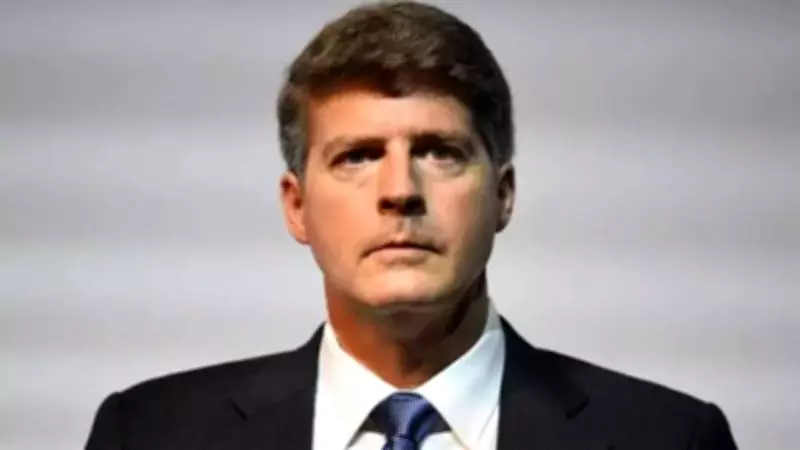
Joel Sherman, one of the most prominent baseball voices in New York, found himself at the center of a significant controversy this week. The longtime MLB insider faced a storm of criticism after publicly defending New York Yankees owner Hal Steinbrenner following the team's decision to bring back outfielder Cody Bellinger.
The Controversial Defense That Sparked Outrage
On Monday in New York, Sherman addressed the Yankees' offseason strategy after news broke about Bellinger's return. In his comments, Sherman urged fans to remain calm and trust the organization's plan. He emphasized that the front office deserved patience, highlighting roster balance and future flexibility as key considerations. Sherman also downplayed concerns about the team's spending patterns, suggesting that criticism in this area was unwarranted.
This approach did not sit well with the passionate Yankees fanbase. Within hours of his comments, social media platforms erupted with angry responses from supporters who felt Sherman was out of touch with their frustrations.

Fan Reactions: A City Built on Winning Loses Patience
The reaction from Yankees fans was swift and severe. Many supporters expressed that Sherman's defense of ownership ignored years of disappointment and unmet expectations. One fan captured the sentiment perfectly, writing: "He is defending an owner who hasn't delivered in years." Another questioned the significance of Bellinger's return, posting: "Bellinger was already here. What really changed?"
The timing of Sherman's comments exacerbated the situation. Bellinger's return came shortly after Trent Grisham accepted his qualifying offer, creating what many fans perceived as a crowded outfield without addressing more pressing needs. Additionally, fans recalled Steinbrenner's earlier winter comments about maintaining payroll around $300 million—a figure that frustrated supporters after another early postseason exit last fall.
Why Sherman's Tone Made Matters Worse
What particularly angered fans was Sherman's firm tone and apparent lack of empathy. Rather than acknowledging the legitimate frustrations of the fanbase, Sherman suggested that supporters were being unfair in their criticism. In a city like New York, where sports passion runs deep and expectations remain sky-high, this approach proved particularly damaging to his credibility.
Sherman's comments transformed him from an observer into part of the story itself—a position no sports journalist wants to occupy.
The Deeper Issues Fueling Yankees Fan Frustration
The anger directed at Sherman represents more than just reaction to one offseason move. It reflects growing impatience with a pattern of perceived underachievement. Throughout the winter, Yankees fans had hoped for significant acquisitions, with names like Pete Alonso, Alex Bregman, Kyle Tucker, Bo Bichette, Dylan Cease, and Edwin Díaz circulating in online discussions for months. None of these players ultimately joined the Bronx roster.
This disappointment compounds with the team's championship drought. The Yankees haven't won a World Series since 2009, and last season ended prematurely despite Cody Bellinger's strong performance. Fans also compare their team's approach to other big-market franchises, particularly noting how the Los Angeles Dodgers have transformed aggressive spending into championship success while the Yankees seem to consistently fall short.
The Lasting Impact on Trust and Credibility
Because of this historical context, Sherman's praise for the current offseason strategy felt to many fans like ignoring the bigger picture. As one supporter pointedly asked: "What exactly changed because Bellinger is back?" Another noted: "This team already had him and still failed."
For a franchise and fanbase built on championship expectations, patience has worn dangerously thin. Trust in both ownership and media voices who defend that ownership has become even more fragile. The incident demonstrates how, in today's sports media landscape, journalists must carefully navigate the delicate balance between objective analysis and understanding fan sentiment—especially in markets as demanding as New York.